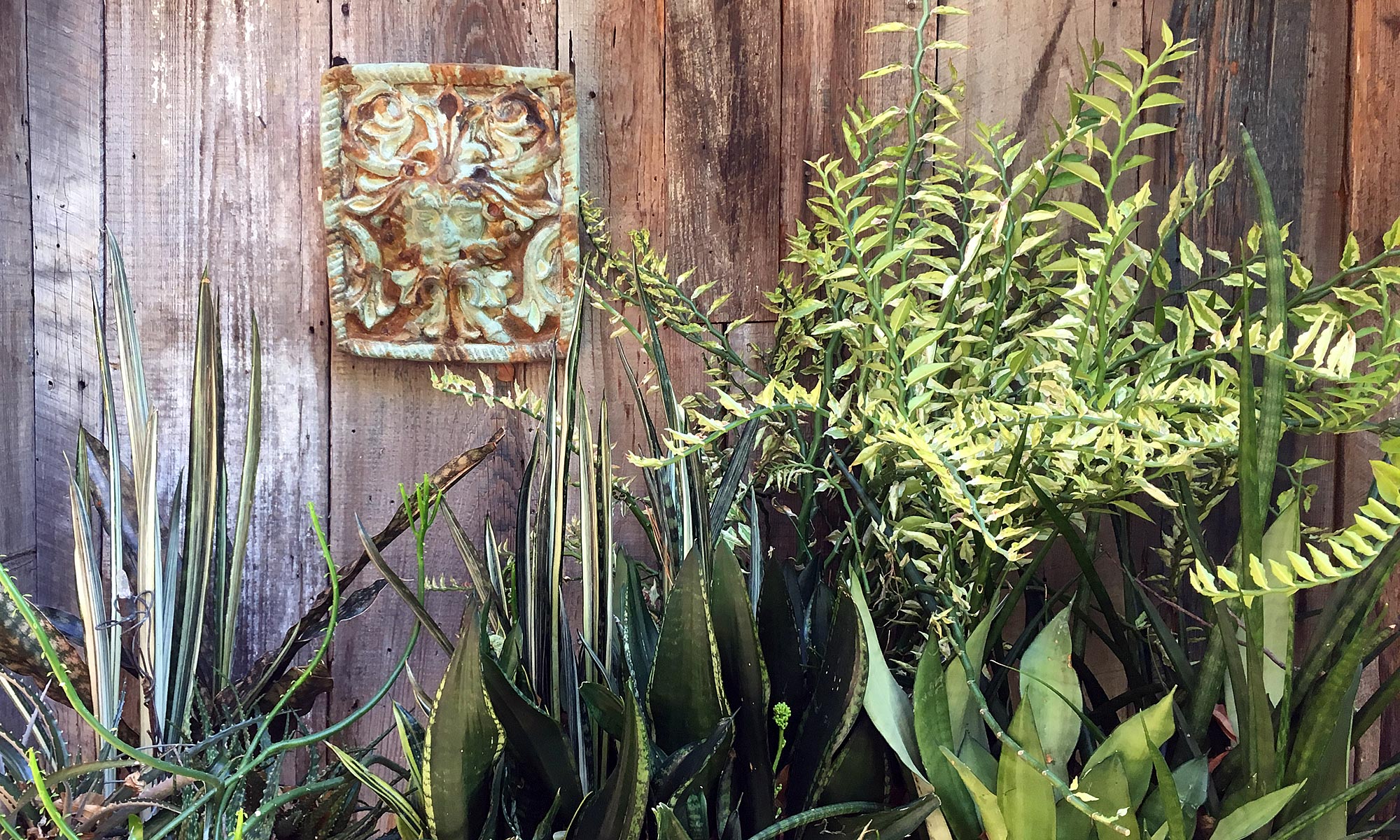

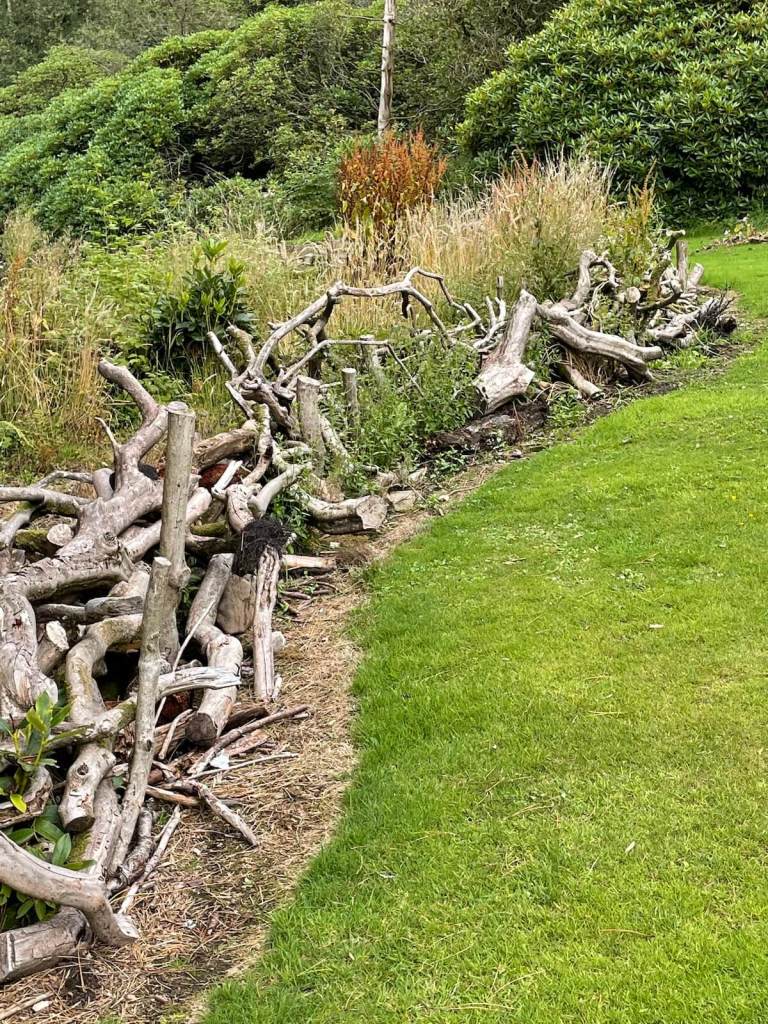
I have a deliberate long, low brash pile alongside a fence that makes cleaning up the garden convenient while saving space at the landfill. And it teems with beneficial wildlife.
And yeah, I wrote brash, which is the actual term for piles of branches, twigs, leaves, weeds, and other garden trimmings. We often call it brush because, well, we repeat words we have always heard, right or wrong. A newly-popular word for this is hügelkultur, or “mound gardening” in which compostable logs, limbs, leaves, and other debris are piled up and decompose into rich soil. Just like in nature, only more orderly.

Mine started after an ice storm left a lot of fallen tree debris everywhere, which I dragged alongside a fence and have simply added to over the years. Following the Alice’s Restaurant theme of “one big pile is better than two little piles” it just became the place to toss stuff too large for my usual compost pile.
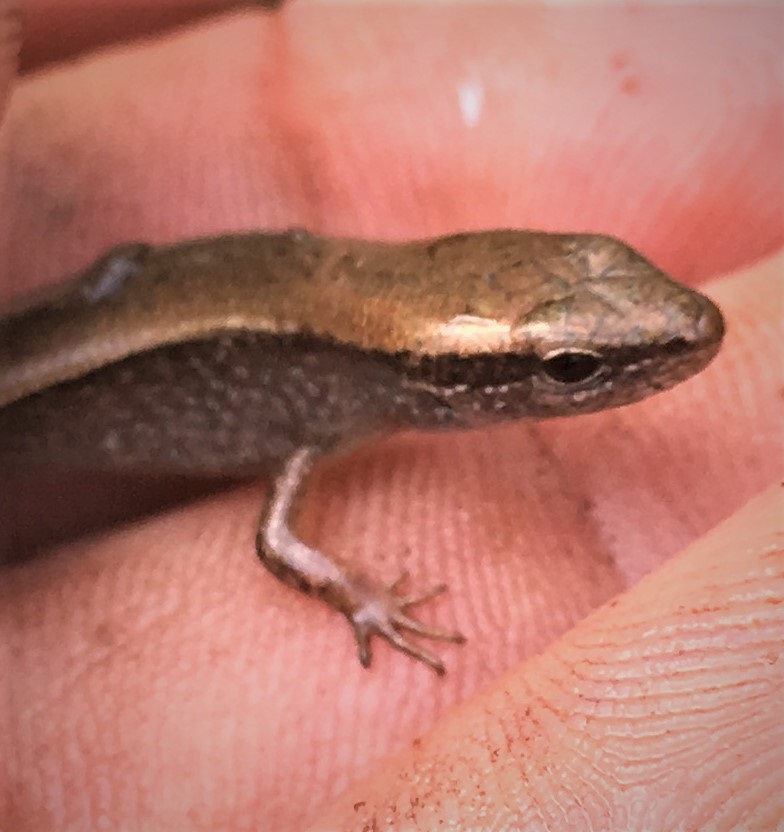
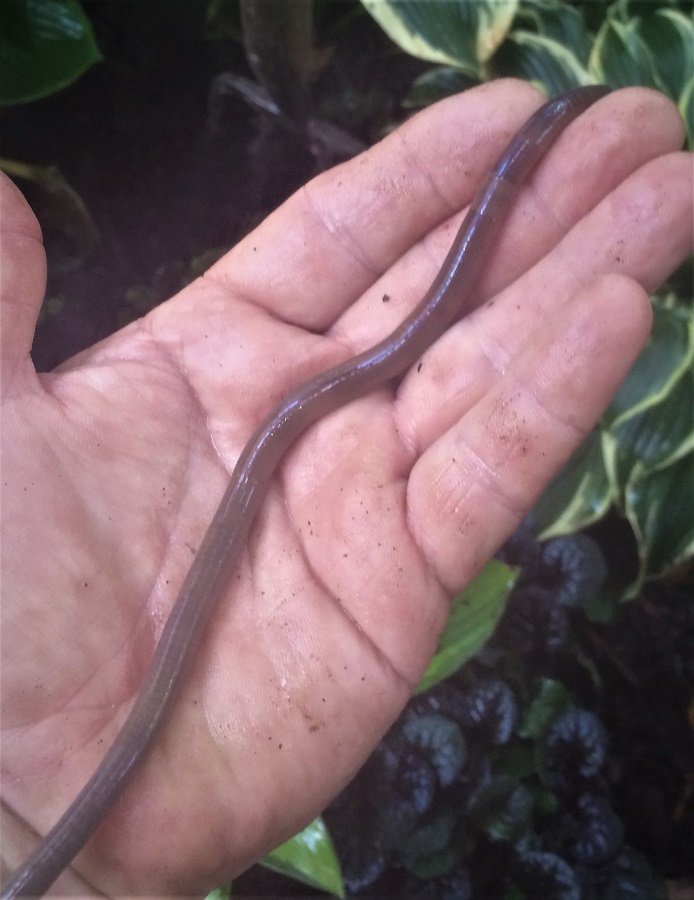
The long, low feature teems with all sorts of critters, from lightning bugs and other beetles to “roly-poly” pillbugs, slugs, spiders, native solitary bees (the powerhouse pollinators of my garden, which nest in holes they drill into logs), toads, tree frogs, several species of lizards, nesting birds, and so much more – even woods gnomes. And yeah, the occasional beneficial non-venomous snake that keeps things in check (what, you okay with the slugs and mice?). All are as happy as can be, and my garden is richer for them all.


Not to everyone’s liking, I’m sure, but my garden is large enough to accommodate it. And, being a gardener who takes responsibility for my own yard refuse, I’m loath to haul stuff to the curb when it can actually be put to work. As long as it is in one place, it looks fine, and things seem to work out.

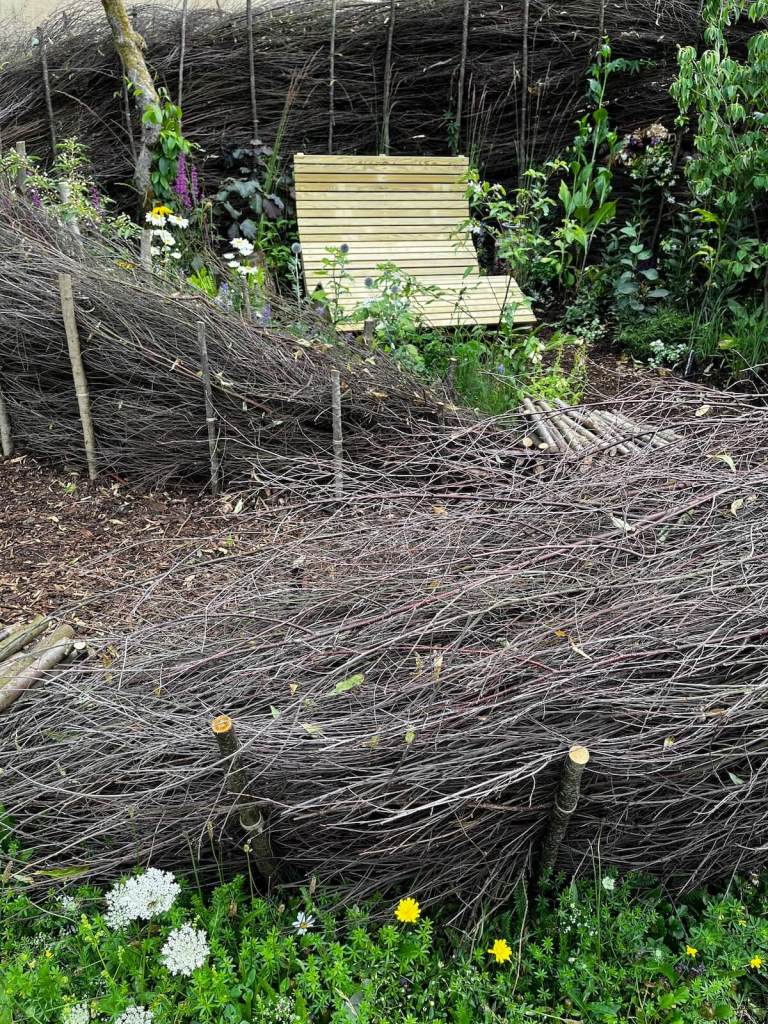
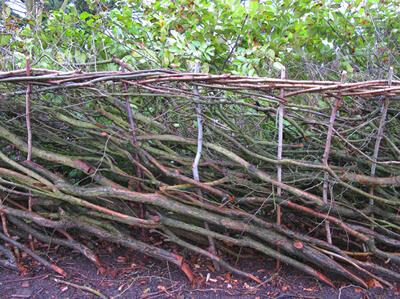
An ancient and common garden construction (and currently one of the most popular themes in Royal Horticulture Society flower shows) is the “dead hedge” – a long, narrow wall made of limbs, long branches, and vines woven between vertical stakes cut from trees or shrubs. Traditionally used as low fences and enclosures, a dead hedge is actually just somewhere between a traditional split rail fence and a more tightly woven wattle.

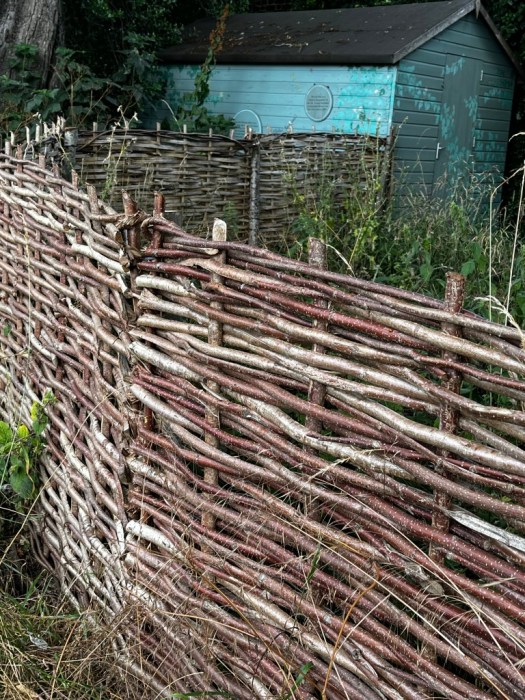

Maintaining a dead hedge is an ongoing, year-round activity; as I tidy up the garden I drag my tarp of fallen limbs, shrub prunings, or tall weeds and stack/tuck them wherever they fit.
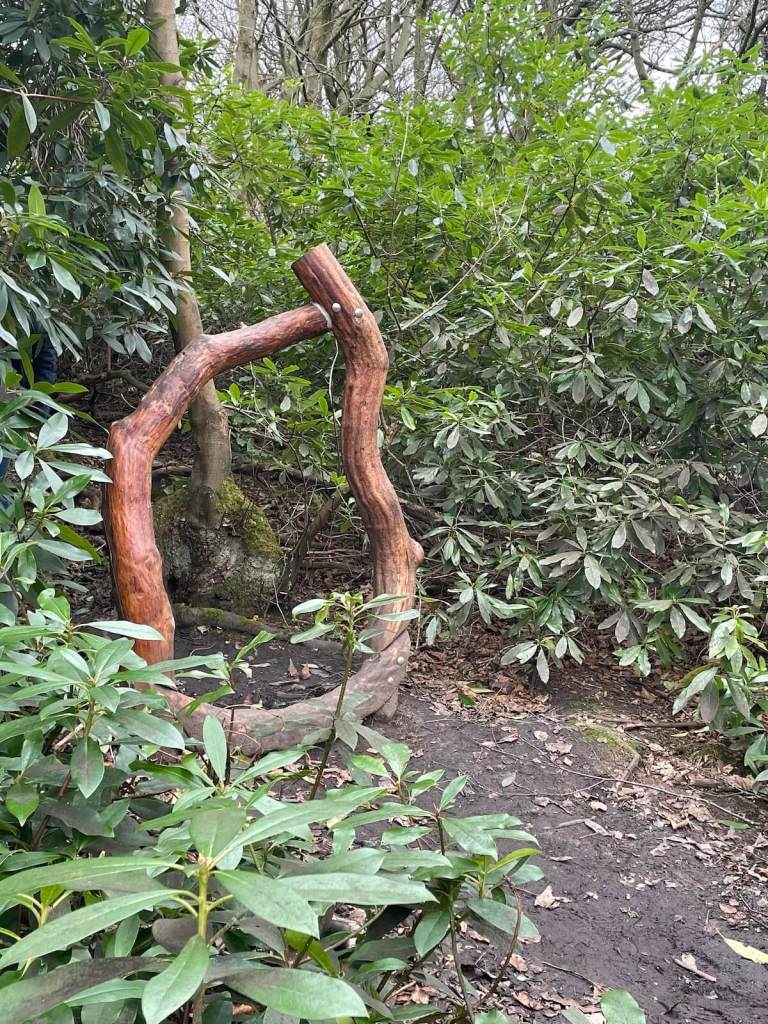
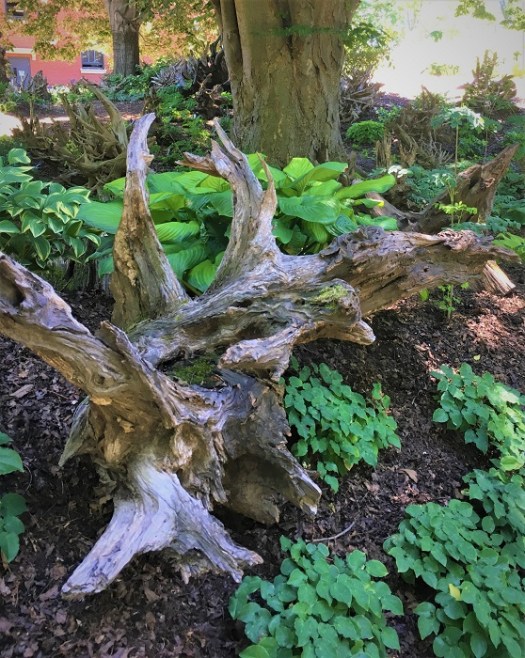
This is also an easy way to accent a shaded garden, especially if you include old stumps and logs for moss, lichens, and fungi to grow on. A rustic bench here, a teepee of limbs there, a stump or two for accent, and this naturalistic theme can add a year-round woodsy touch for any garden. While saving space at the landfill, and making a garden truly wildlife friendly.


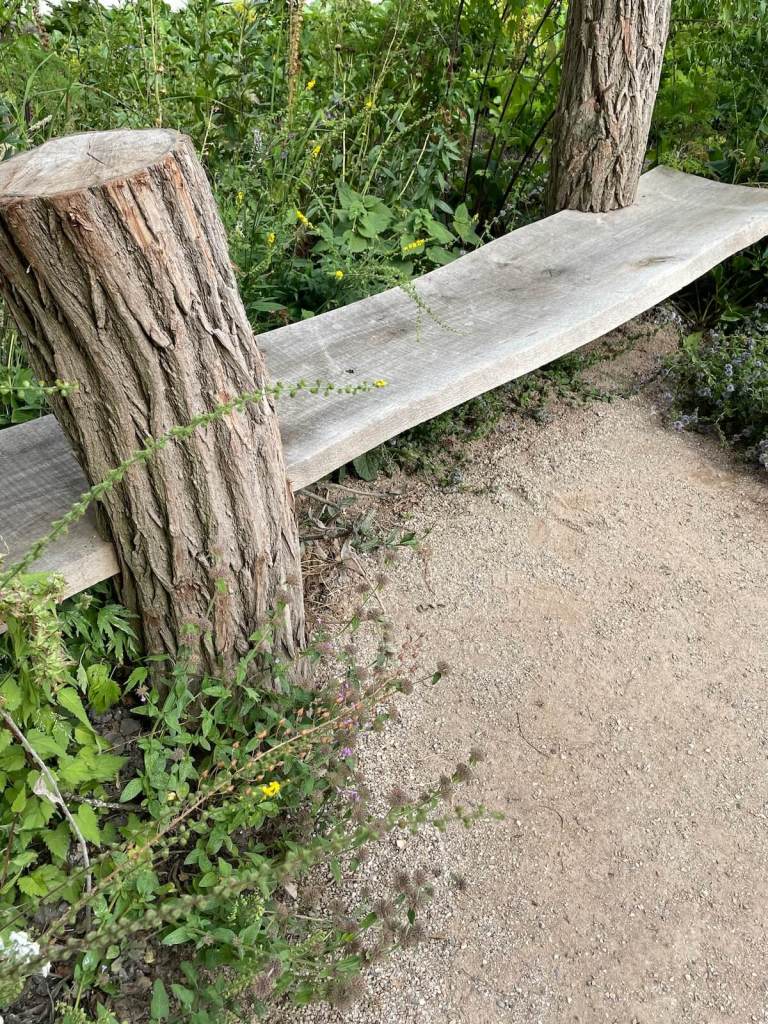




Note: Another creative use for stumps, logs, and limbs is the “stumpery” – click here.
 Felder Rushing's Blog