(and a bonus on an inexpensive home-made rustic cement birdbath)
Rough hypertufa
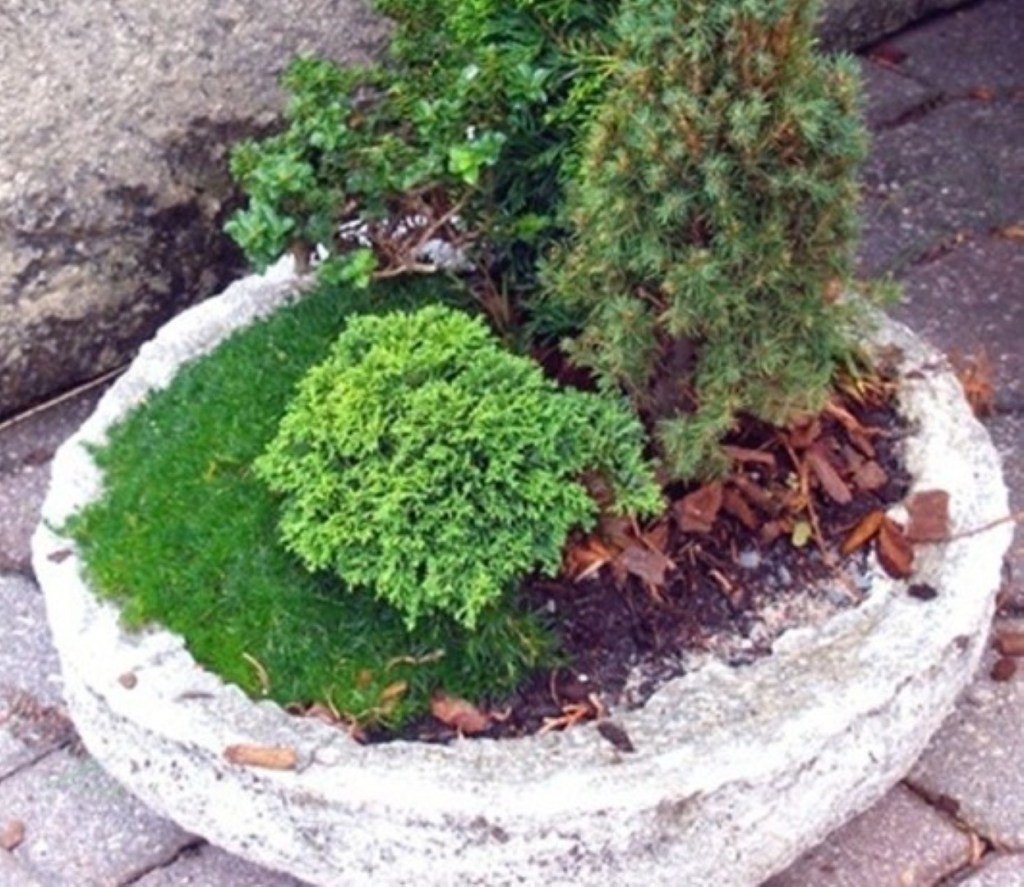
This old guy is done moving heavy planters around – especially the stoneware in which my hardy cacti and succulents look great – and I can’t afford real tufa, which is a naturally-porous limestone that can be easily carved into slow-draining planting troughs. So I finally got around to making a lightweight faux stone trough out of an old hippy recipe called hypertufa.
While it certainly looks like aged stone, hypertufa is a hardened mix of readily-available ingredients that can be pressed over a pot-shaped form, easy to move around and can stay out all year.
Lightweight faux stone hypertufa pot Smooth hypertufa
My first attempt here took just a couple of hours and turned out pretty well, if I say so myself. Here is my step-by-step.
Unusual. Strange. Odd. Peculiar. Weird. Bizarre. Phantastic. All good starting points for members of my fav group of plants.
Starting when I was just five years old, I have amassed a smorgasbord of cacti and other succulents. Of all the plants this horticulturist has collected and grown over the decades, these are the ones that have, er, “stuck with me” in spite of my neglectful ways.
Earliest Plant Memories
Honest – my earliest-ever memory of a specific plant is from when I was just a kid, and a prickly shrub with yellow flowers exploded my brand-new inflatable beach ball; I also remember Mom gaslighting me with how it was the fault of the wind – her cactus was blameless.
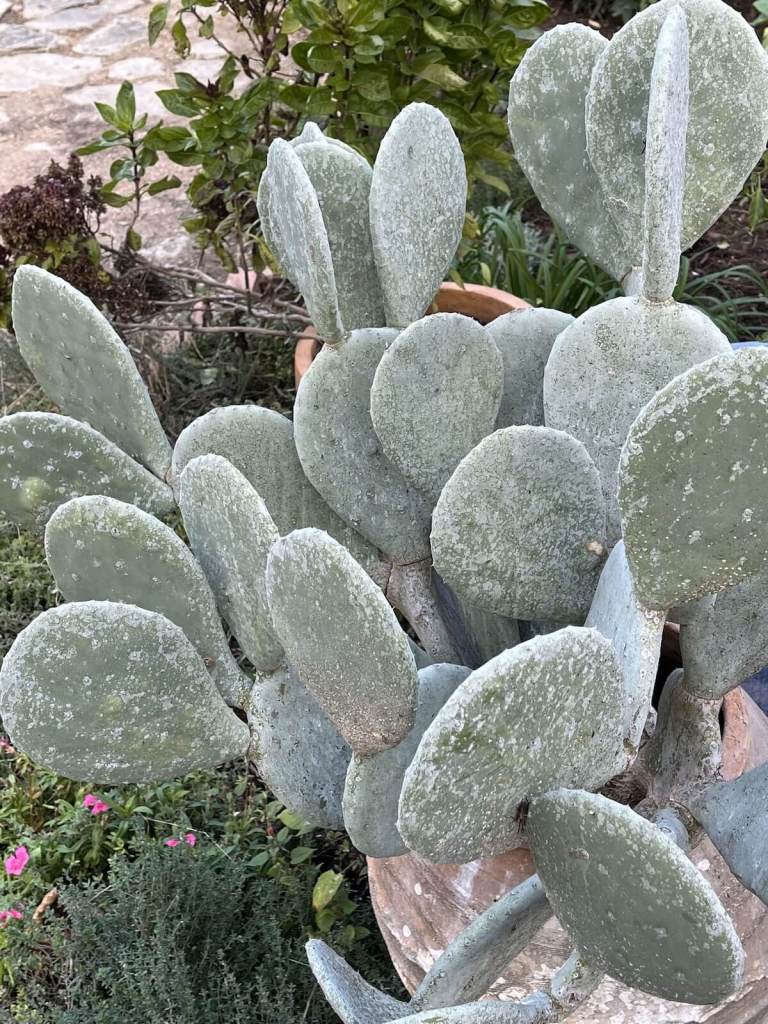
Prickly pear (Opuntia)
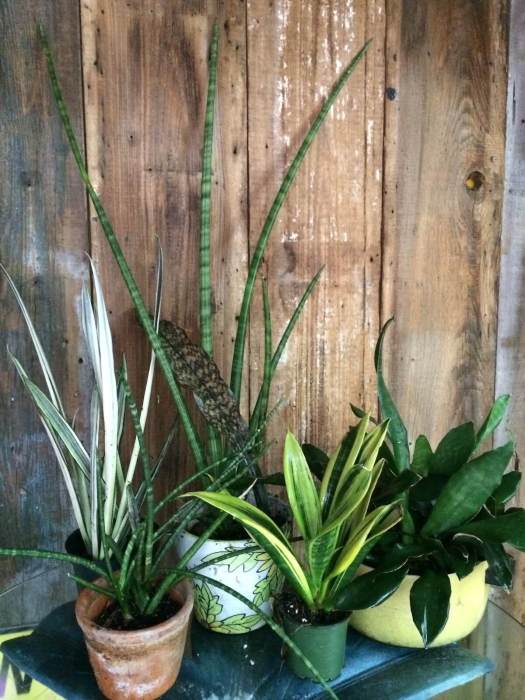
Later, during a fifth-grade school assignment on growing plants, I peddled my bicycle to a nearby garden center where the generous owner gifted me a potted miniature version of mom’s prickly pear. Barely a dozen years later while working in a garden center in south Texas, a Latino co-worker shared a potful of an unusual species of the familiar “mother-in-law tongue” or “snake plant” called Sansevieria (now renamed Dracaena, which I deeply resent), which I still grow and share some half a century later.
A few of Felder’s Sansevierias
Those three plants – and the people associated with them – stand out as best examples of how young gardeners are influenced by the unexpected.
No How-to Here
Not going to get into botany and horticulture, how cacti are succulents but not all succulents are cacti, nor linger over their astonishing array of unique features and surprisingly spectacular flowers, and ease of propagation for sharing. Suffice to say all those I grow require bright light and well drained soils (sharp grit – a succulent’s roots’ dream).
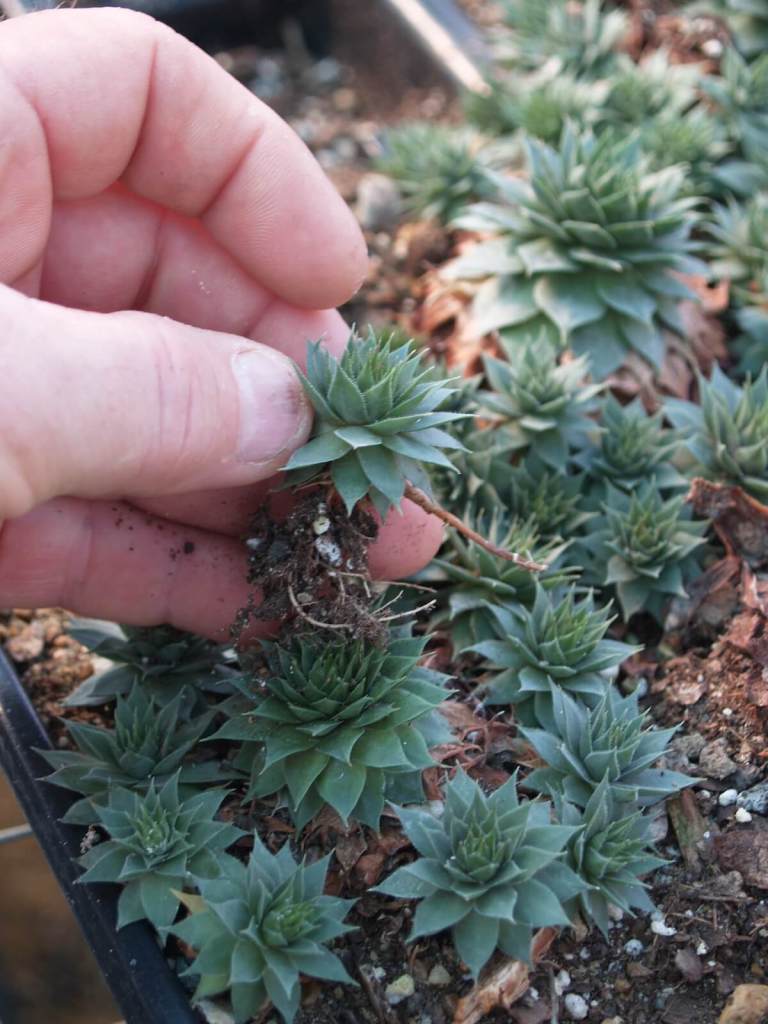
Rooting succulent stemsDividing offsets for plantingPlants from leaves
I just want to be on record that while many of these unique species are subtropical and if left out in the cold will melt into mush, a surprising number grow perfectly well outdoors, all year, even in the Gulf- and Mid-South’s heat, thick humidity, heavy rains followed by prolonged droughts, and occasional dips into single digit temperatures of my climate. With panache.
BIG CAVEAT: Garden centers often push all succulents together based just on their being succulents – imagine a pet store putting dogs, cats, and guinea pigs in the same kennels! And from looks alone it is impossible to tell tender kinds from hardy survivors – or realistic artificial ones for that matter!
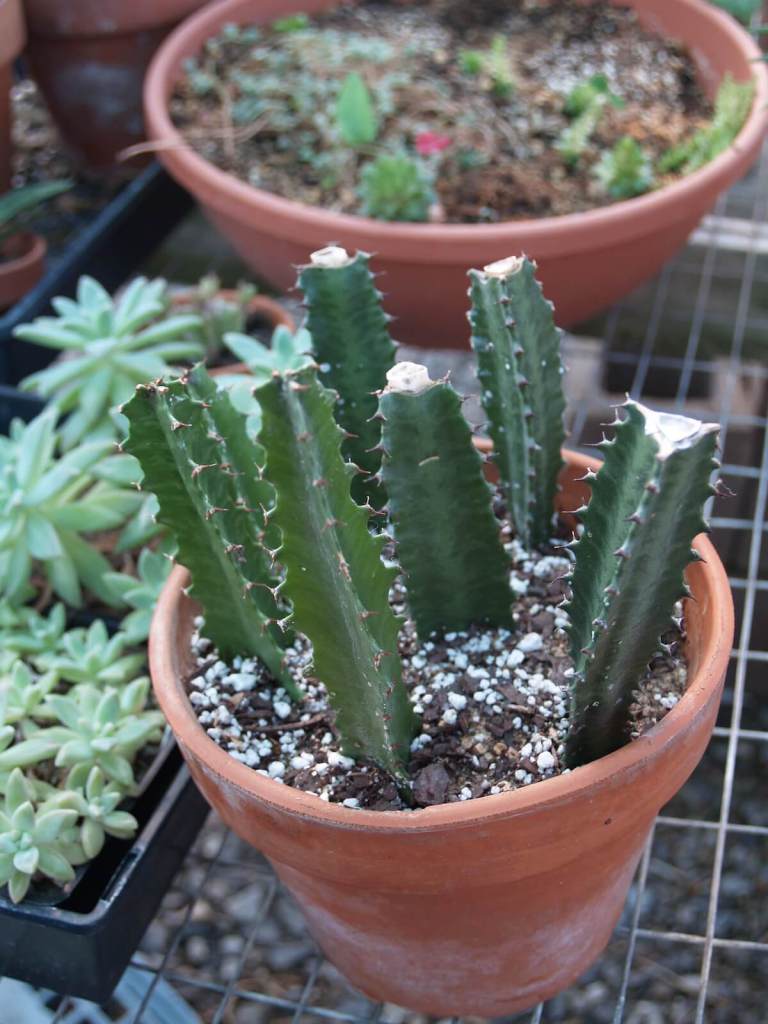
Smorgasbord of tropical succulentsHoliday cactus flowers in spring or fallCarrion cactus – Stapelia gigantea
I have photographed entire collections of succulents groiwng outside all year from Oklahoma City through Memphis to Atlanta, and in Amerstram and my own garden in Lancashire, in the northwest of England.
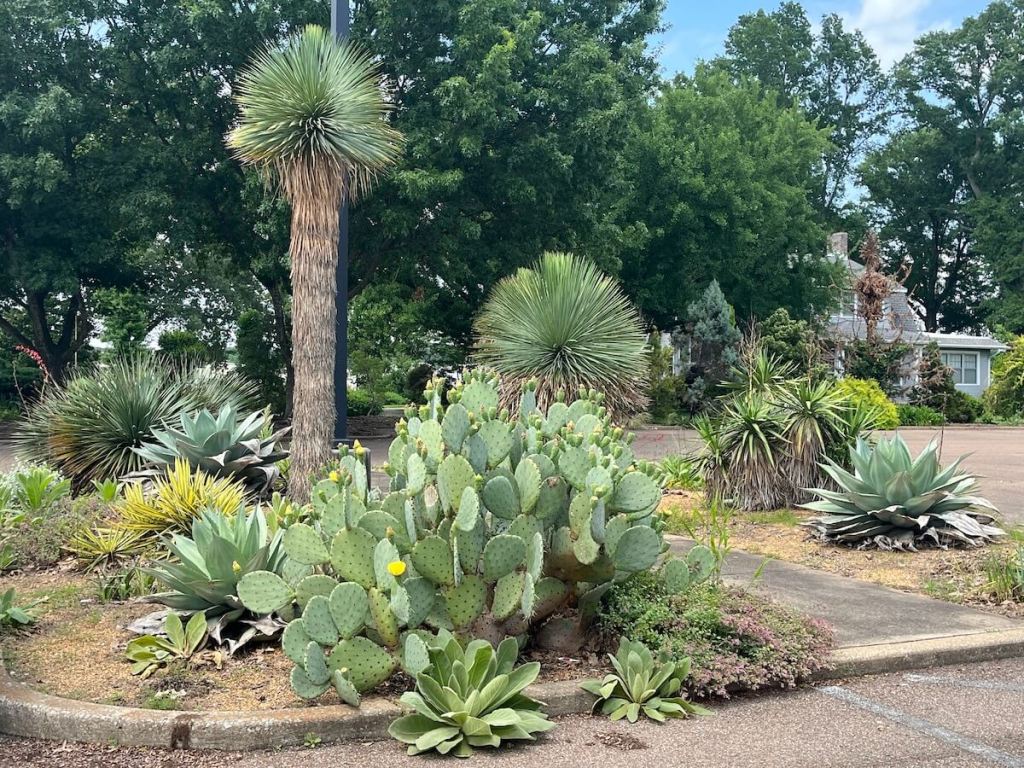
Hardy succulents in parking lot island at Memphis Botanic GardenOklahoma City Botanic GardenHardy cacti and succukebts in Jackson TN parking lot gardenCentral TexasAtlanta Botanic Garden
Here, then, is my personal best starter species, my Durable Dozen – not counting their many species and cultivar variations:
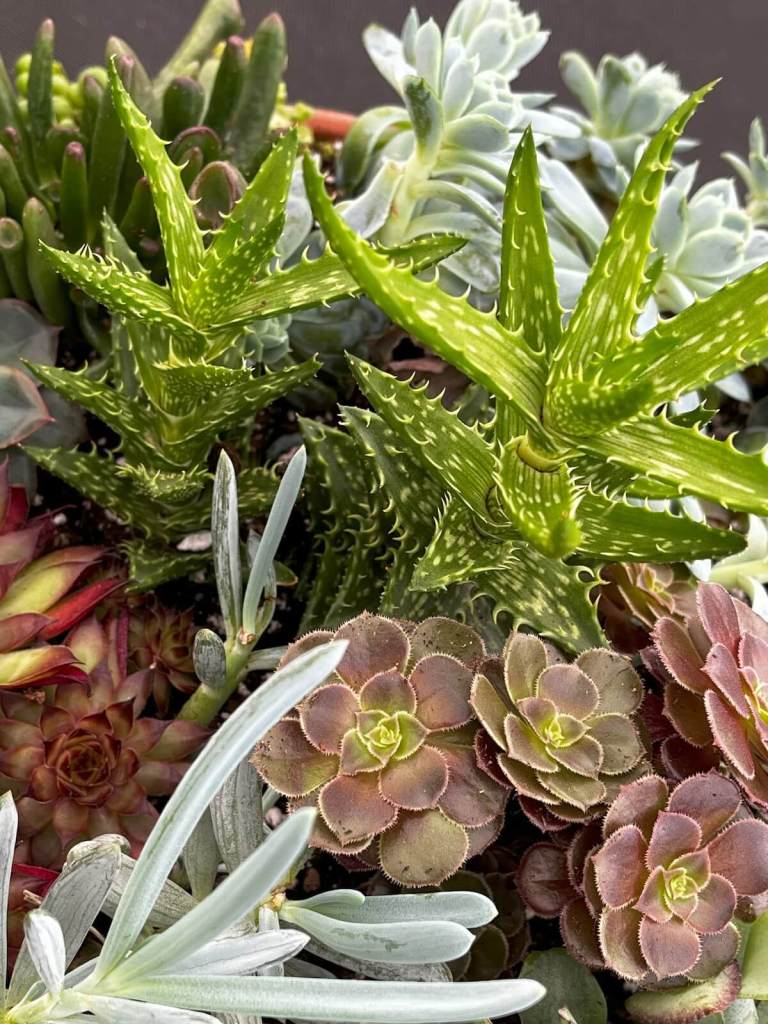
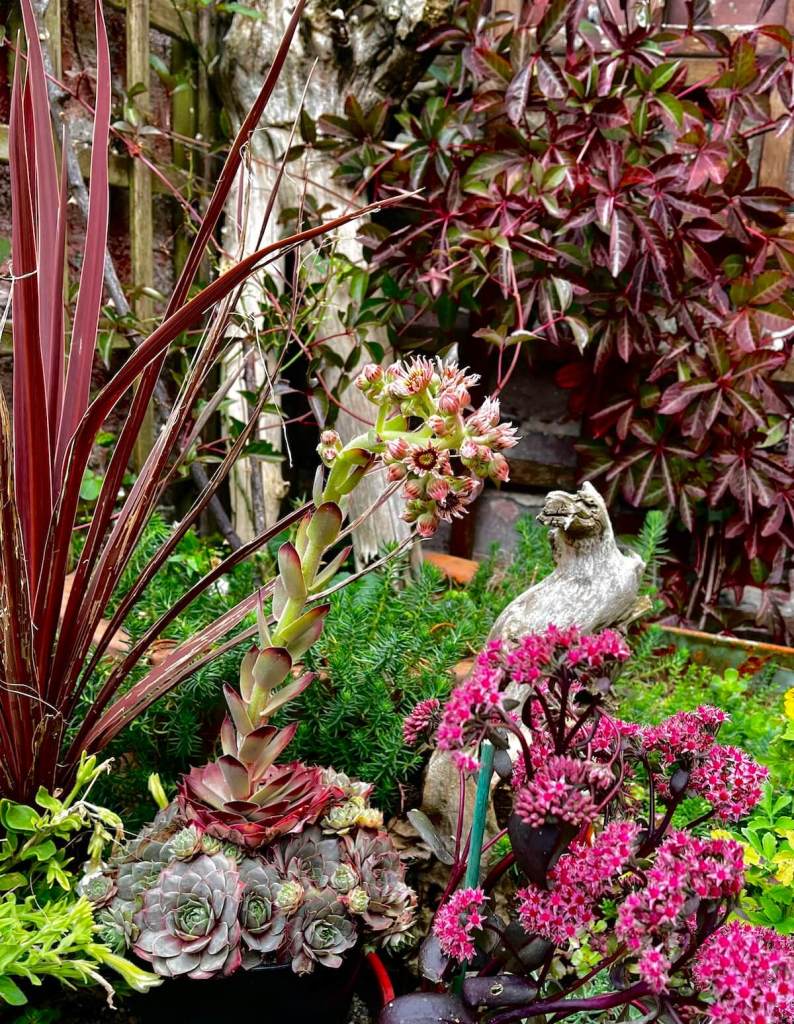
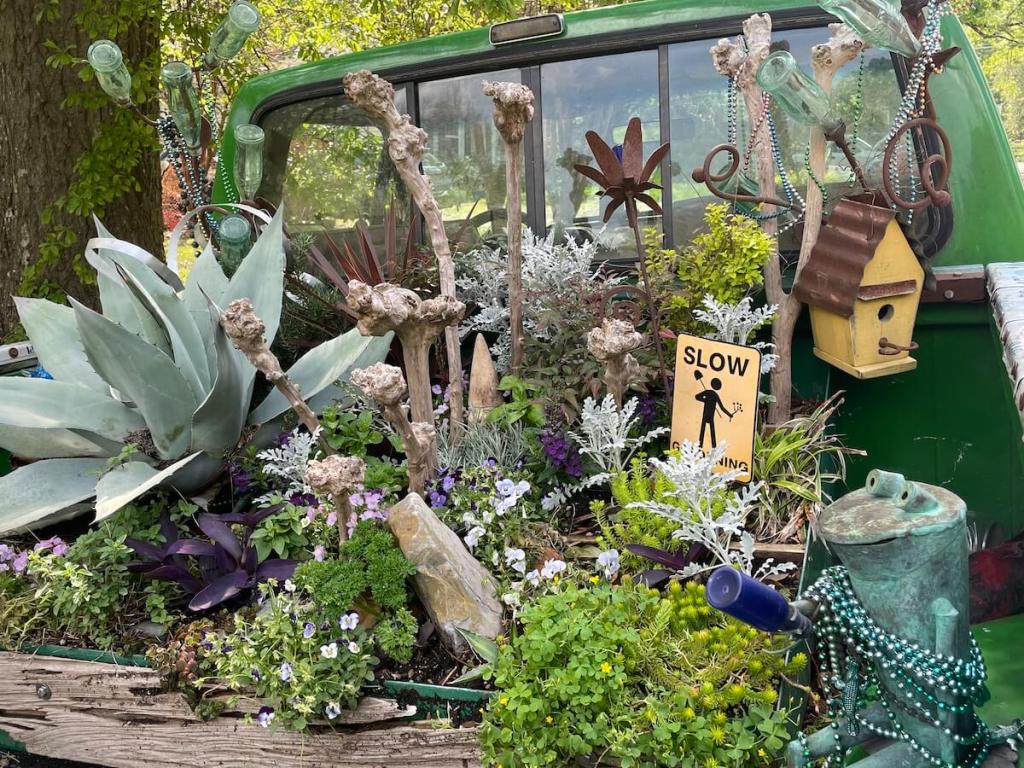
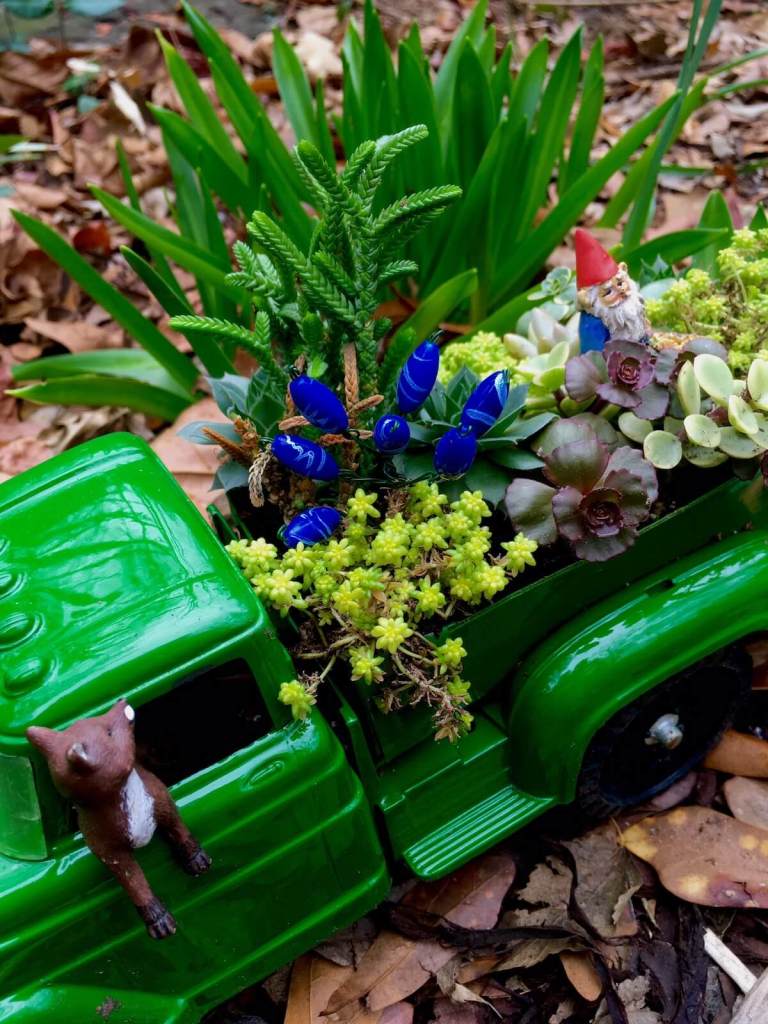
Felder’s hardy succulents garden, northern EnglandShapes, textures, and colors in a cold-hardy succulent collectionBurgundy Sempervivum and SedumHardy outdoor succulents in Felder’s Jackson gardenFelder’s truck garden with succulentsFelder’s trashcan garden succulentsFelder’s little truck succulents
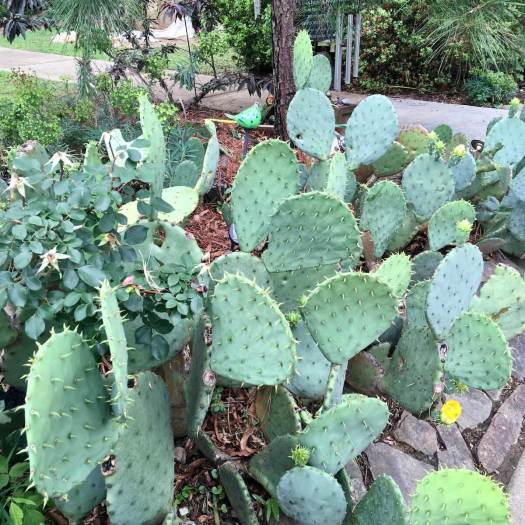
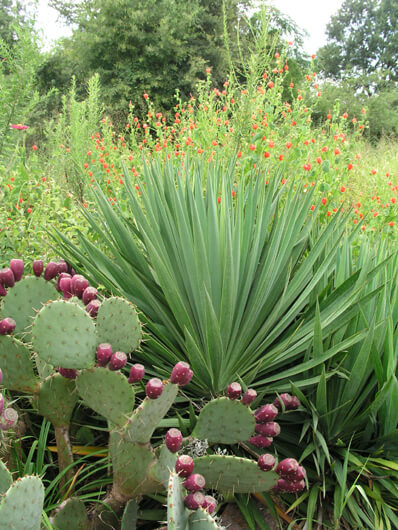
Prickly and smooth pear cactus (Opuntia)
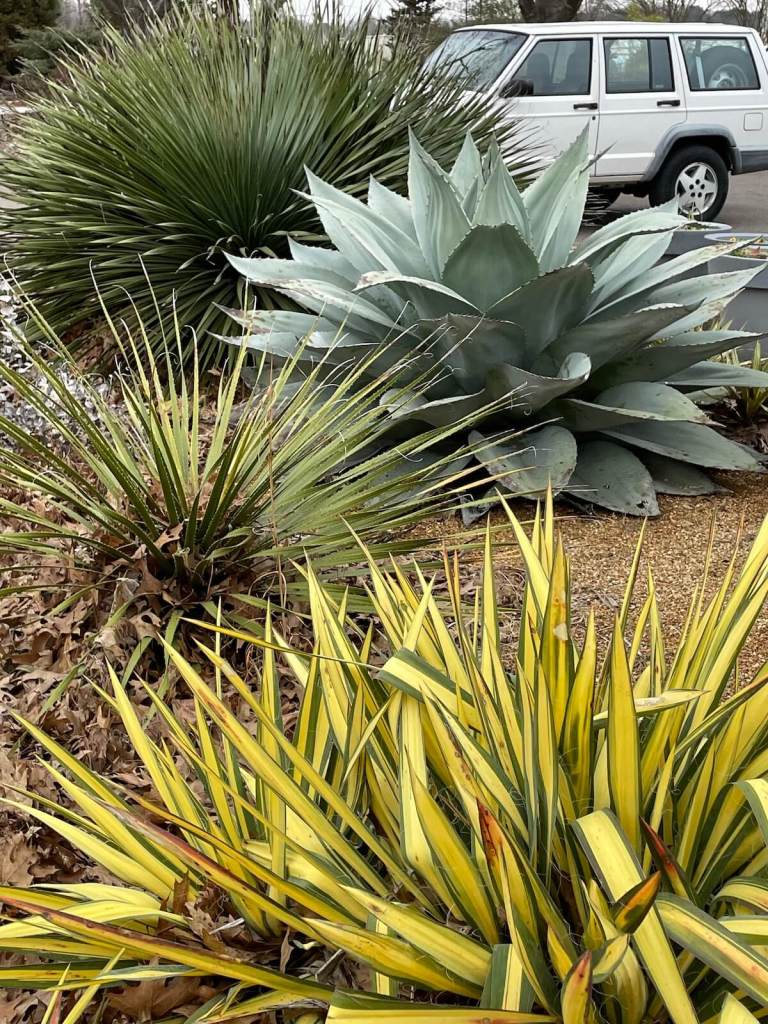
Agaves – the large Americana and several small species (A. lopantha, A. parryi)
Yuccas, esp. soft-tip (Y.recurvifolia) and beaked (Y.rostrata)
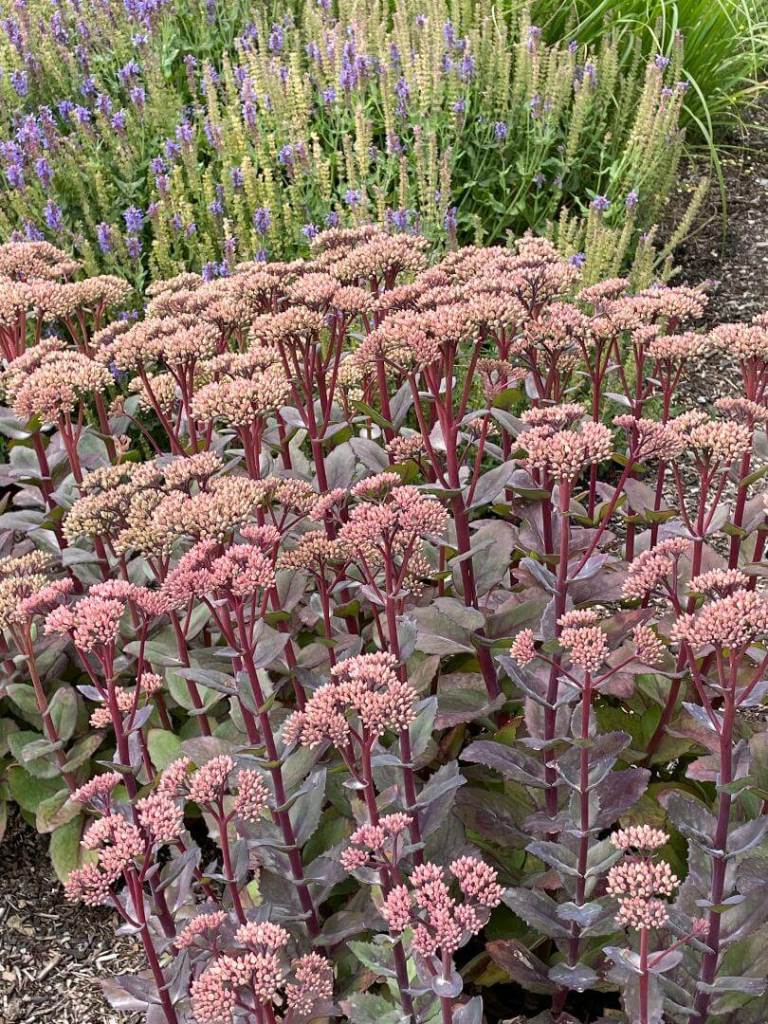
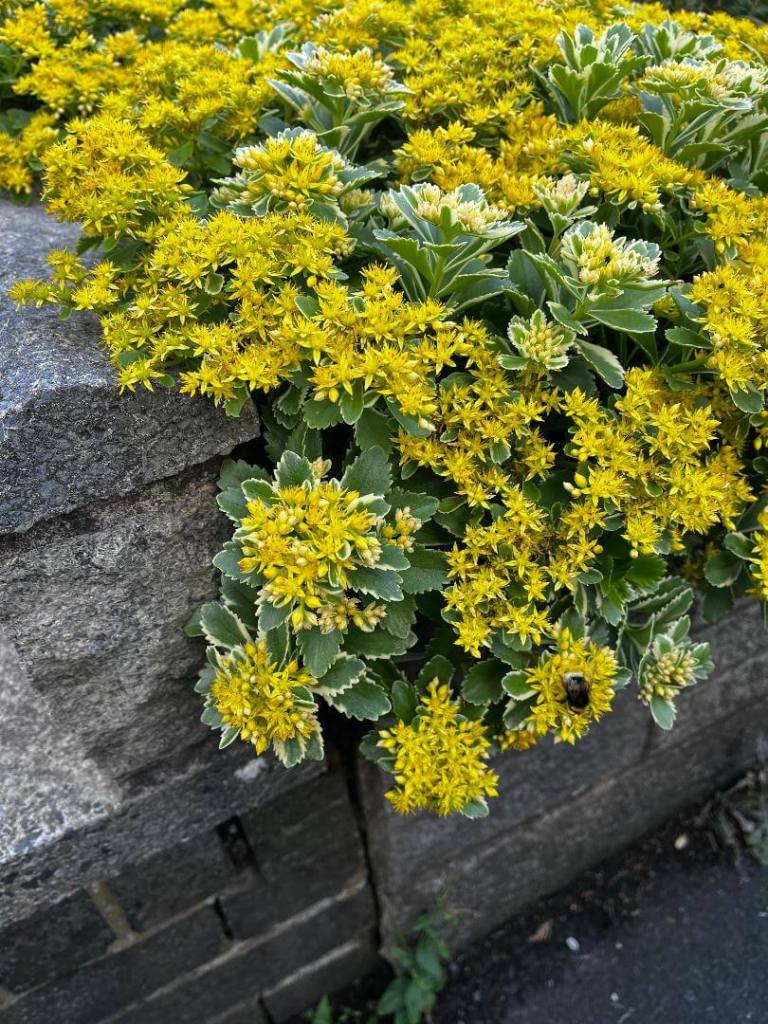
Sedums – several upright and many cascading species
Sempervivums (northern hens and chicks)
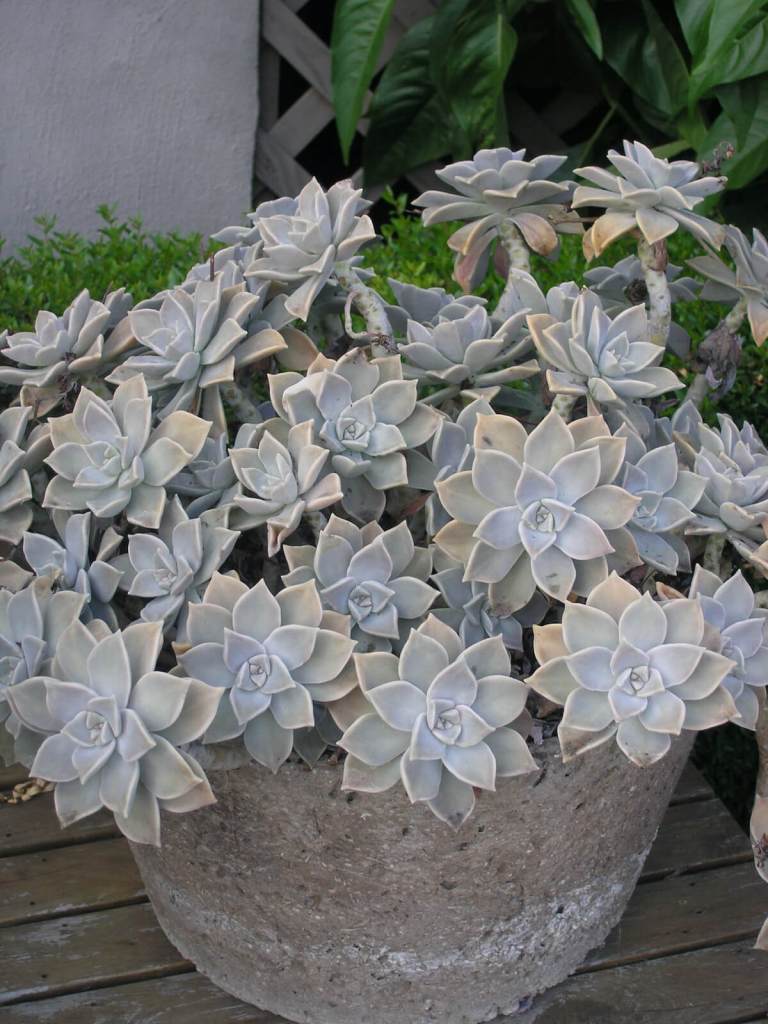
Graptopetalum (southern hens and chicks, ghost plant)
Hedgehog cactus (Echinocereus)
Small barrel cactus (Ferocactus)
Pincushion cactus (Mammilaria)
Red yucca (Hesperaloe parviflora)
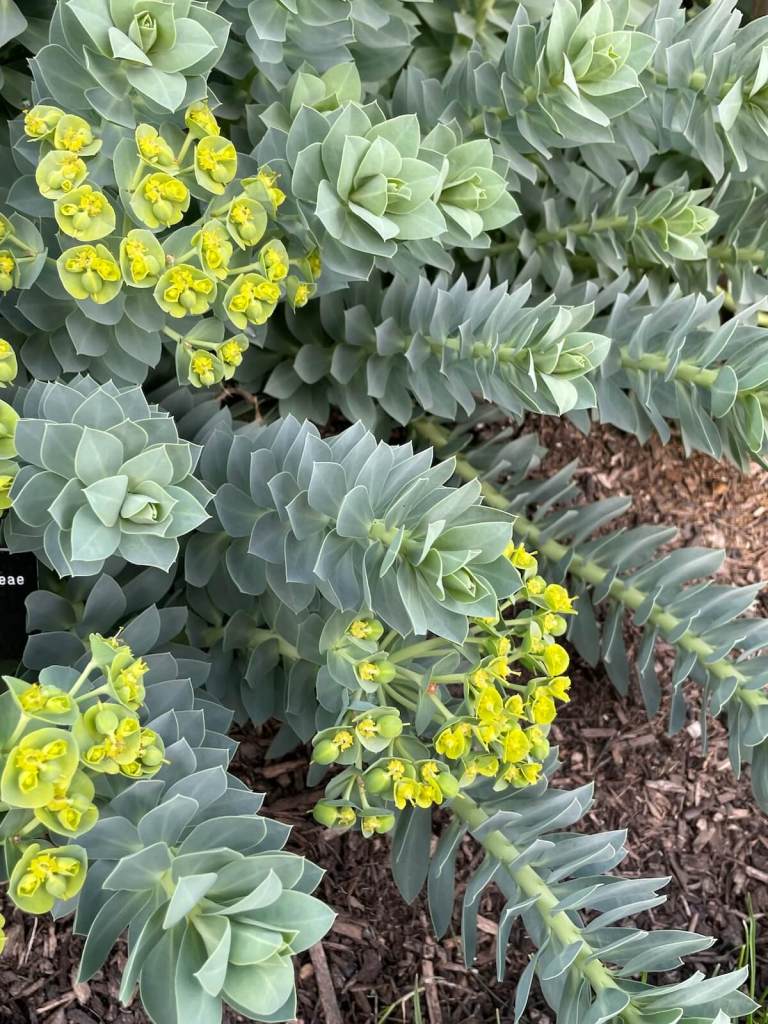
Myrtle spurge (Euphorbia mysrinites)
Thistle cholla – Cylindropuntia
Smooth (thornless) OpuntiaSempervivumsTrailing sedumsAgave lopantha colony in Jackson MSYuccas and agave in Jackson Tennessee parking lot gardenThistle cholla – CylindropuntiaSedum telephium ‘Purple Emperor’Sempervivum hardy to below zeroSedum telephium ‘Matrone’Sedum spectabile now renamed HylotelephiumSedum in bloomRed yucca (Hesperaloe parviflora)Prickly pear, yucca, and turk’s turban Malvaviscus in Fort WorthMyrtle spurge – Euphorbia myrsinitesMammillaria native to OklahomaHens and chicks or ghost plant – GraptopetalumDwarf centerstripe agave (Agave lopantha)Granny’s Goldmoss SedumFlower of SempervivumFerocactus native to OklahomaEchinocereusClump-forming soft tip yucca (Y. recurvifolia)Beaked yucca – Yucca rostrata
Companion plants for hardy cacti and succulents
Though some succulents are unique enough as standalone specimen, I usually mix and match just like with other plants. But I can’t resist “Feldering stuff up” with accessories to help interpret and carry my little vignettes: Bits of driftwood, a few stones, an old wagon wheel, a roll of rusty barbed wire, a glass ornament, or a low water feature.
And nearly any plant that tolerates intense light and sometimes-dry conditions is suitable to grow with and accent succulents. A few common companions that come to mind include ‘Tete a Tete’ and other winter daffodils, grape hyacinth, iris, ‘Powis Castle’ Artemisia, turk’s turban (Malvaviscus), super-dwarf nandinas, purple queen Tradescantia, dwarf Mexican petunia, moss rose, Texas sage shrub, and vitex for light mid-summer shade.
Bottom Line
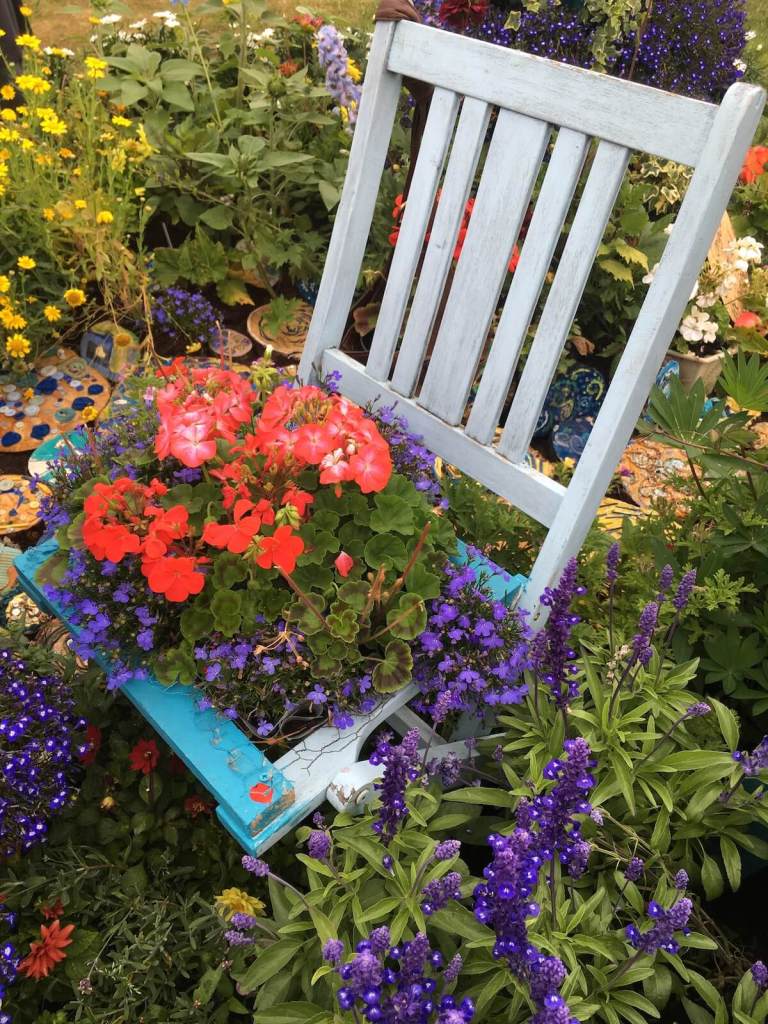
I get inspiration from garden friends who put outdoor-hardy succulents and companion plants and little accessories together in rock gardens and whimsical containers (think red wagons, seashells, cups and saucers, dishpans, miniature village scenes, old boots…). All in all, cacti and succulents provide unique looks with little effort, and add a contemporary accent to nearly any garden, indoors or out, even if just as a tabletop conversation starter.
Oh, and did I mention that my longtime partner, who started out suspicious of my obsession with these botanical misfits, has become addicted to them, even giving up ice cream money at a flower show for one of her own? And later asking me to put together a bowlful for her mother’s birthday? It’s a well-drained slippery slope, sweetheart!
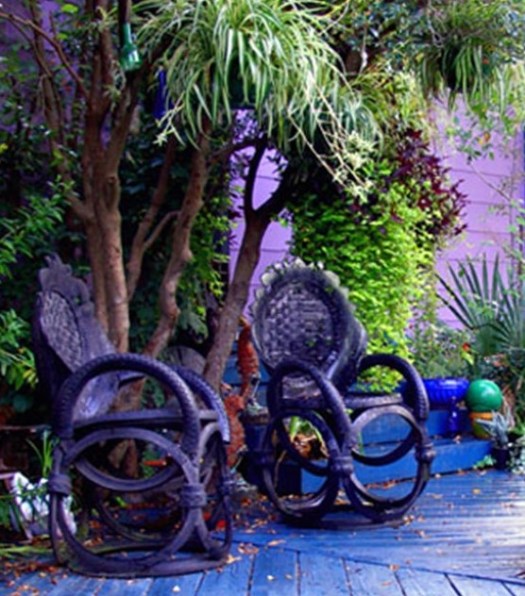
Eudora Welty struck a chord in the 1940’s, when she described women and children fighting over tires off a wrecked car. The children needed swings, but the women wanted them for planters.
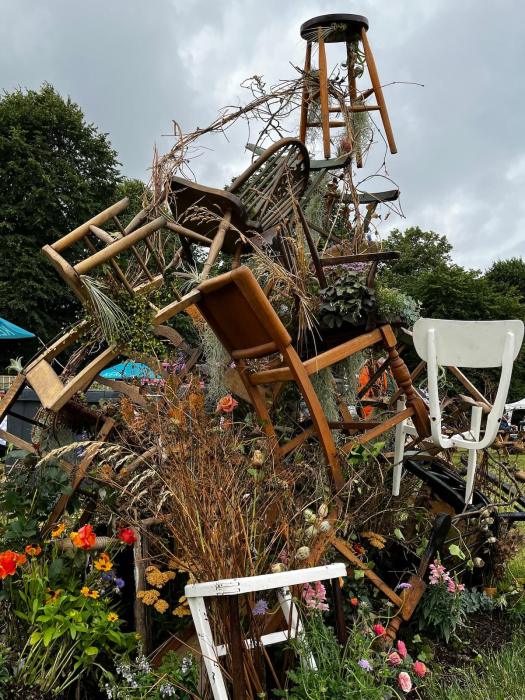
Ultimate wood stack wall – Floriade Flower Festival
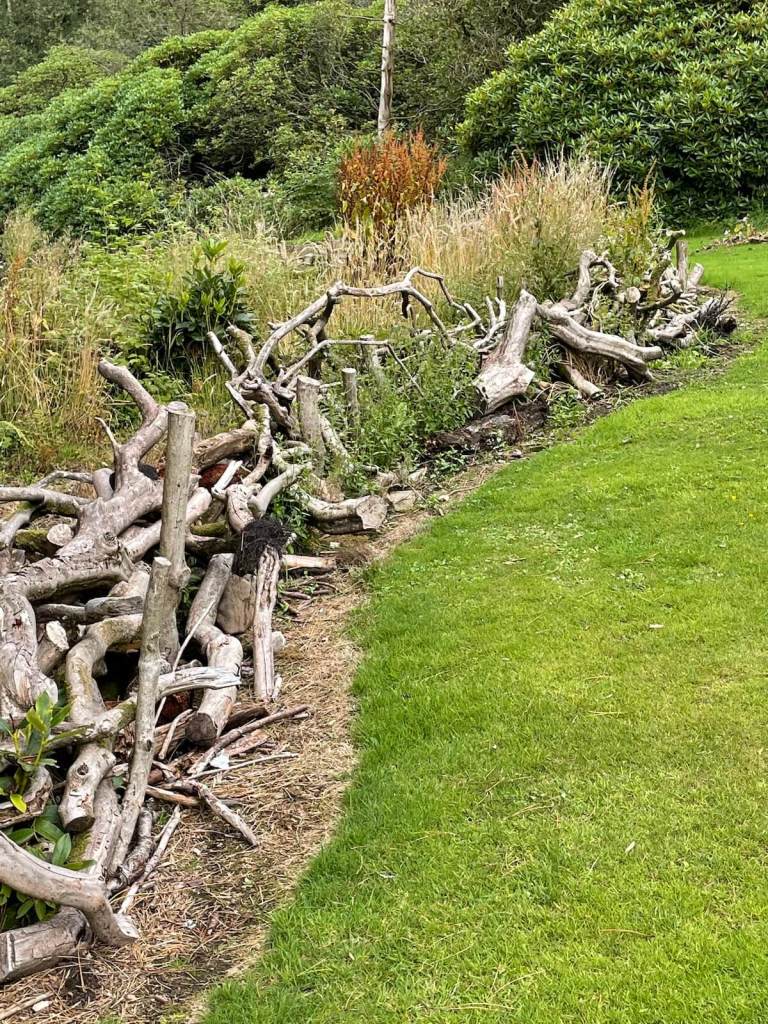
I have a deliberate long, low brash pile alongside a fence that makes cleaning up the garden convenient while saving space at the landfill. And it teems with beneficial wildlife.
And yeah, I wrote brash, which is the actual term for piles of branches, twigs, leaves, weeds, and other garden trimmings. We often call it brush because, well, we repeat words we have always heard, right or wrong. A newly-popular word for this is hügelkultur, or “mound gardening” in which compostable logs, limbs, leaves, and other debris are piled up and decompose into rich soil. Just like in nature, only more orderly.
Woodland accents with ferns
Mine started after an ice storm left a lot of fallen tree debris everywhere, which I dragged alongside a fence and have simply added to over the years. Following the Alice’s Restaurant theme of “one big pile is better than two little piles” it just became the place to toss stuff too large for my usual compost pile.
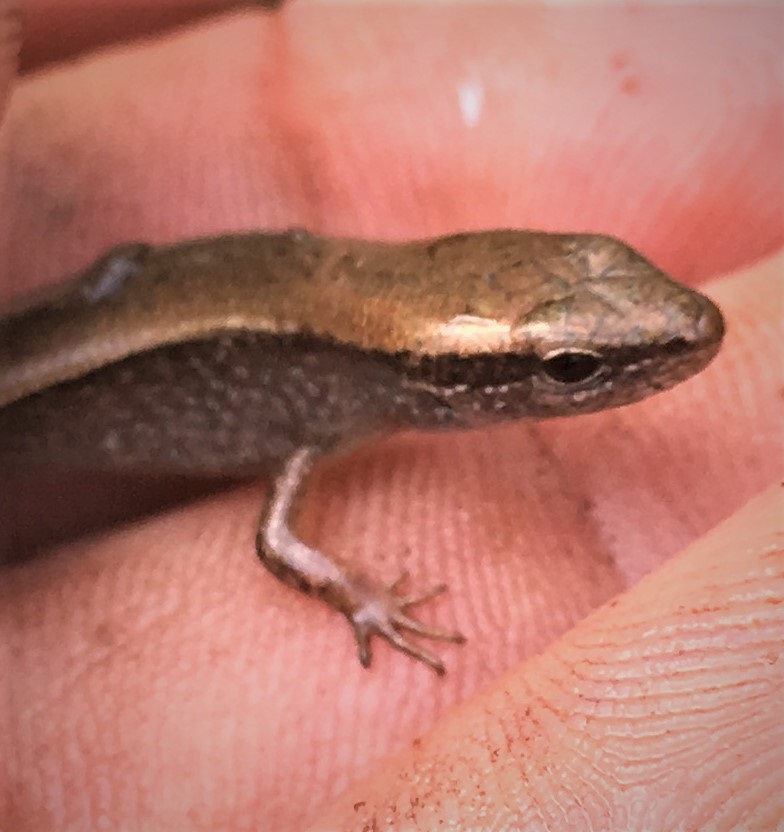
The long, low feature teems with all sorts of critters, from lightning bugs and other beetles to “roly-poly” pillbugs, slugs, spiders, native solitary bees (the powerhouse pollinators of my garden, which nest in holes they drill into logs), toads, tree frogs, several species of lizards, nesting birds, and so much more – even woods gnomes. And yeah, the occasional beneficial non-venomous snake that keeps things in check (what, you okay with the slugs and mice?). All are as happy as can be, and my garden is richer for them all.
Mid-level chain of lifeOtherwise homeless skinkPondering gnomes
Not to everyone’s liking, I’m sure, but my garden is large enough to accommodate it. And, being a gardener who takes responsibility for my own yard refuse, I’m loath to haul stuff to the curb when it can actually be put to work. As long as it is in one place, it looks fine, and things seem to work out.
Wood stack compost sculpture
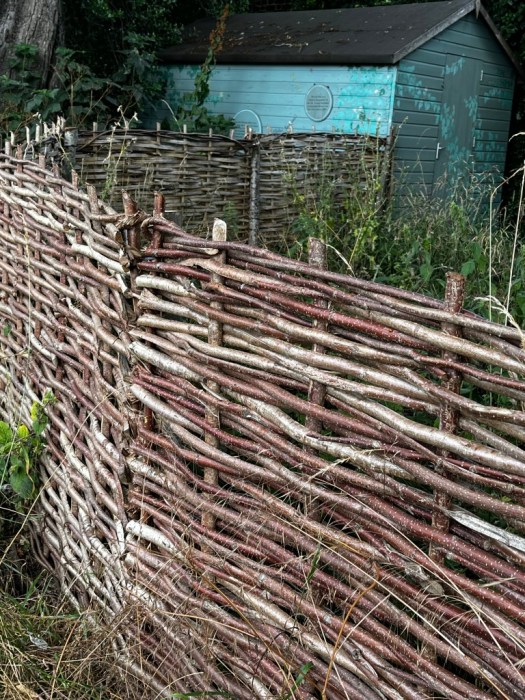
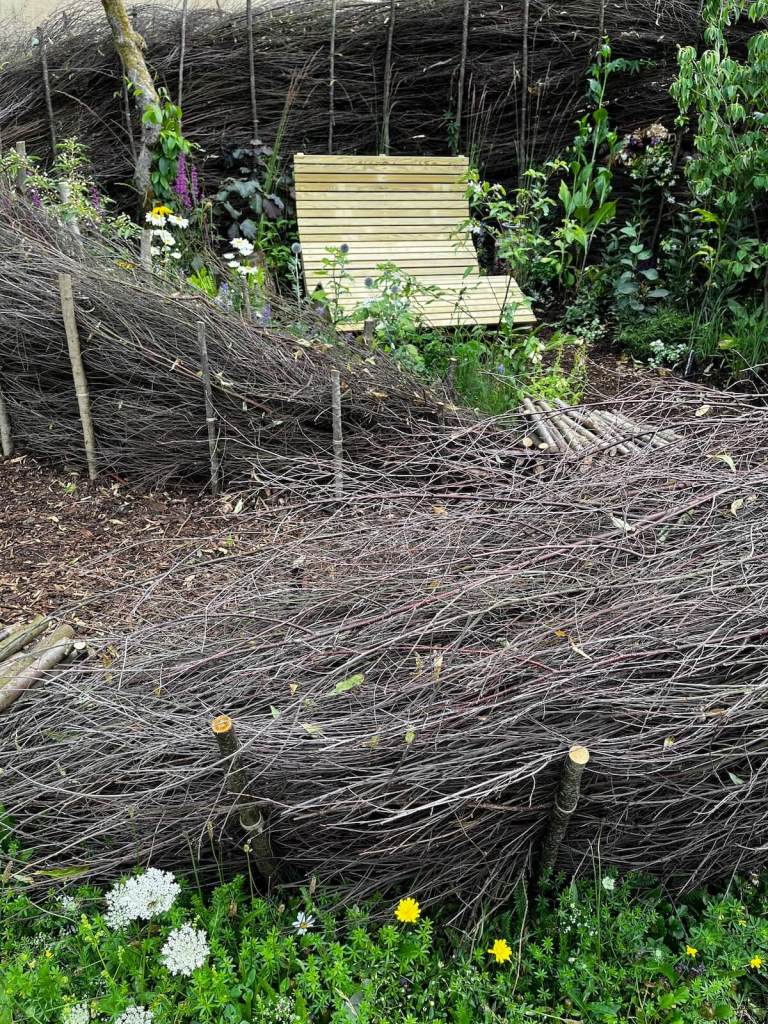
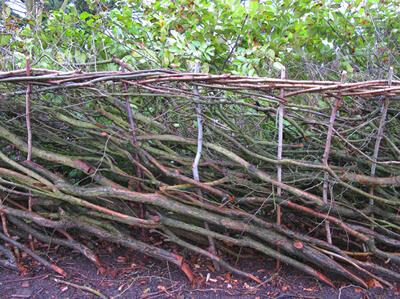
An ancient and common garden construction (and currently one of the most popular themes in Royal Horticulture Society flower shows) is the “dead hedge” – a long, narrow wall made of limbs, long branches, and vines woven between vertical stakes cut from trees or shrubs. Traditionally used as low fences and enclosures, a dead hedge is actually just somewhere between a traditional split rail fence and a more tightly woven wattle.
Split railWattle fence – tigher weave
Well-done dead hedge
Maintaining a dead hedge is an ongoing, year-round activity; as I tidy up the garden I drag my tarp of fallen limbs, shrub prunings, or tall weeds and stack/tuck them wherever they fit.
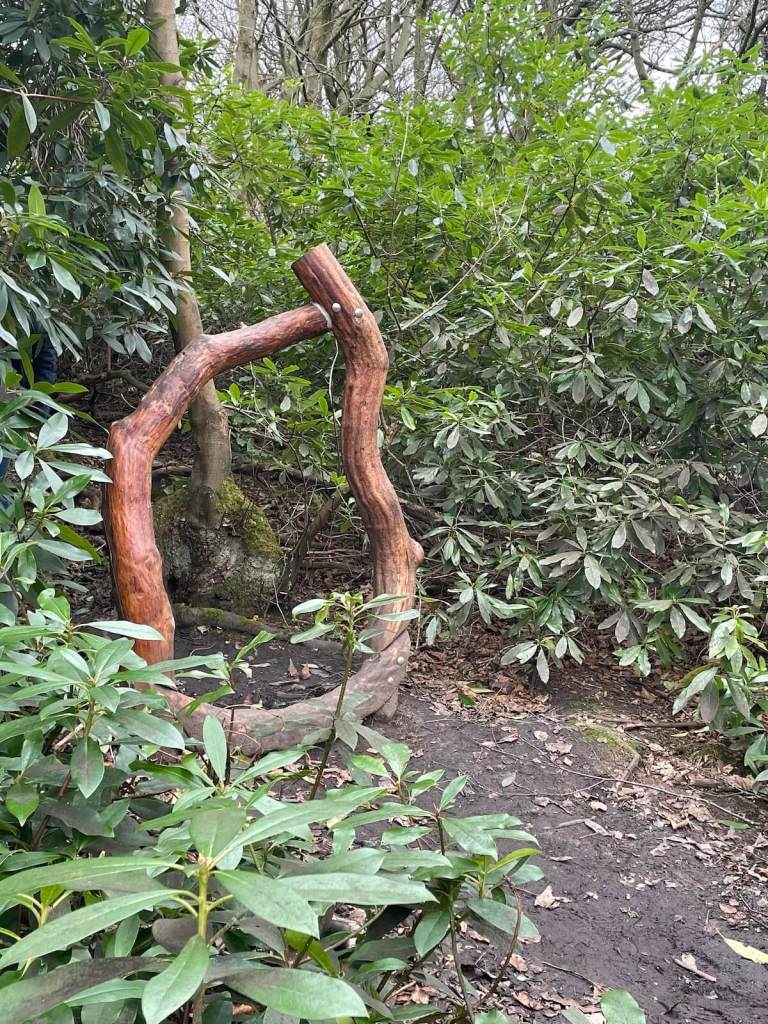
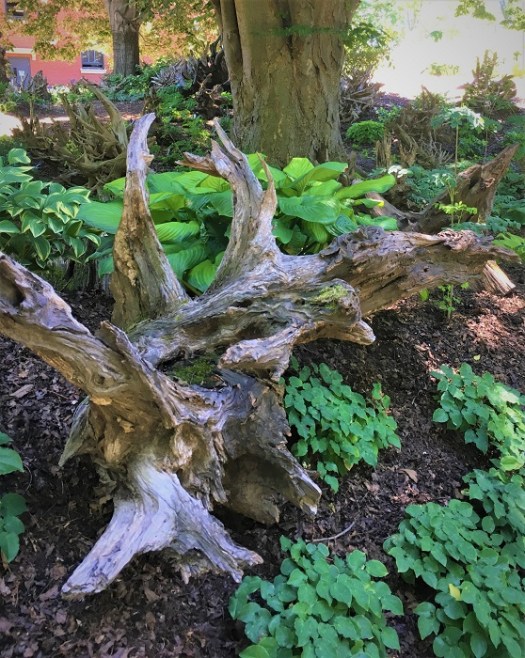
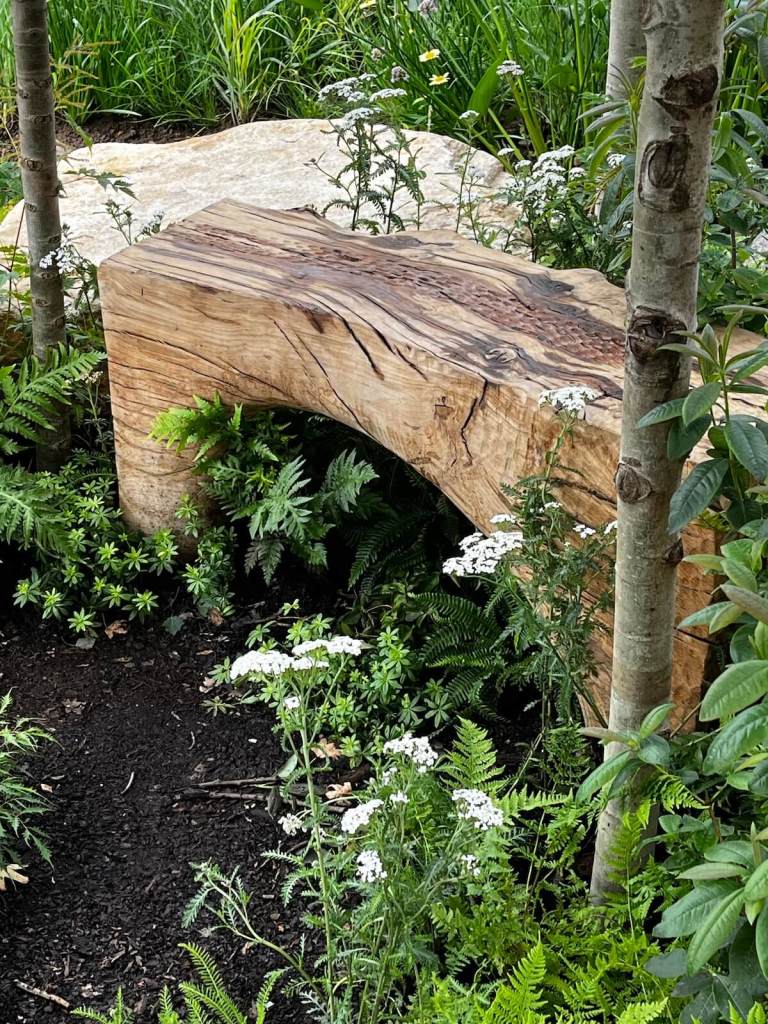
This is also an easy way to accent a shaded garden, especially if you include old stumps and logs for moss, lichens, and fungi to grow on. A rustic bench here, a teepee of limbs there, a stump or two for accent, and this naturalistic theme can add a year-round woodsy touch for any garden. While saving space at the landfill, and making a garden truly wildlife friendly.
Wood stack art, Tatton Park Flower ShowWood stack artTree benchLimb stack, RHS BridgewaterLimbs as woodland accessoryWoven branch fenceStump hedge at Trentham GardensRoom created with dead hedgeLaid-by hedge rowDense dead hedgeLimb dead hedge
Note: Another creative use for stumps, logs, and limbs is the “stumpery” –click here.
Southerners naturally gravitate outdoors as often as possible, easily finding sociable gathering places – front yard or back – where we can temporarily escape the dinner dishes and TV. Where we laugh about everyone who isn’t here, and during conversational lulls someone inevitably mentions cicadas or four o’clocks. And of course it usually includes cooking, with languorous fans keeping ‘skeeters at bay.
Comfy outdoor living
But without a place to sit, where you GONNA? Nobody does it for long without a comfy place to set our tired bones.
Outdoor seating goes way beyond merely enticing us outside in the first place, where senses can kick in, where we notice stuff, from hearing birds and evening frogs, take in heady scents from flowers and fresh-mowed lawns, savor the occasional faint breeze, and enjoy a cool beverage while watching the inexplicable stormless flicker of “heat” lightning.
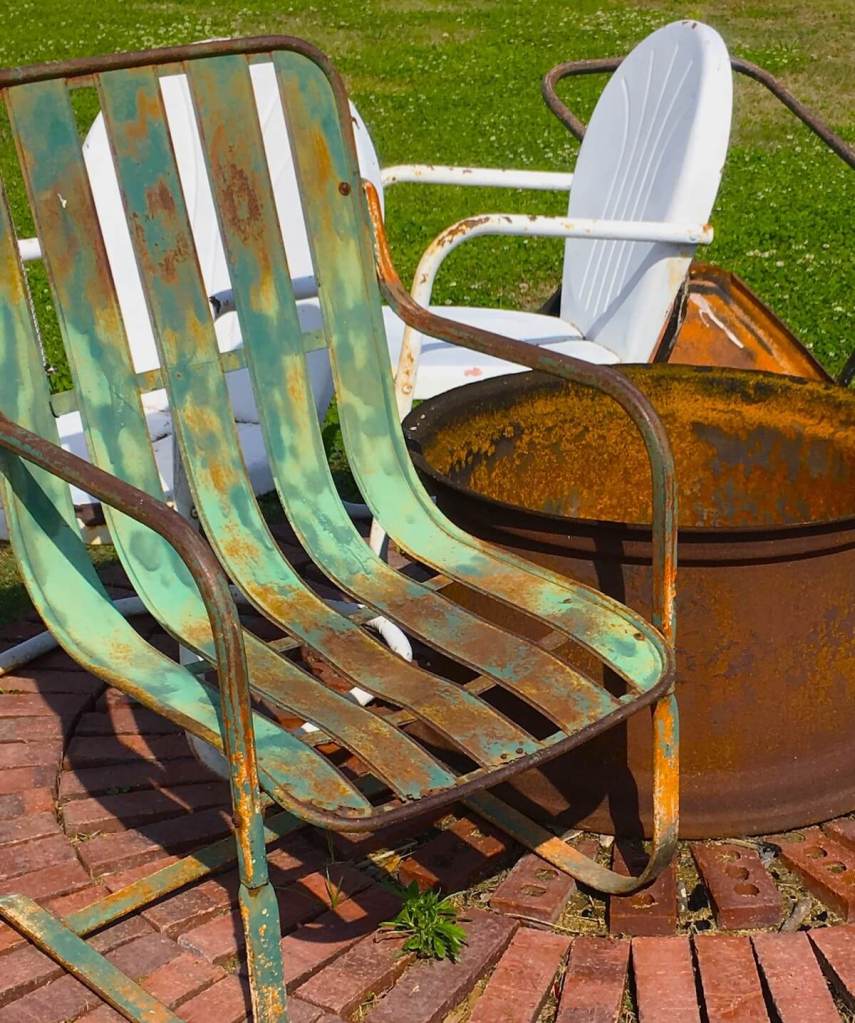
We’ve sat on everything, from carved logs to contemporary materials and otherworldly designs. We’ve tried out antique teak Lutyens benches, intricate wrought iron combos, colorful 1940s clamshell-shaped pressed metal chairs (and gliders, of course), uncomfortable Adirondack chairs, inexpensive nylon mesh that leaves back-of-thigh marks, and all sorts of other material ranging from inexpensive plastic and durable composites to car tires, bamboo, wicker, and all kinds of wood. With or without weatherproof cushions.
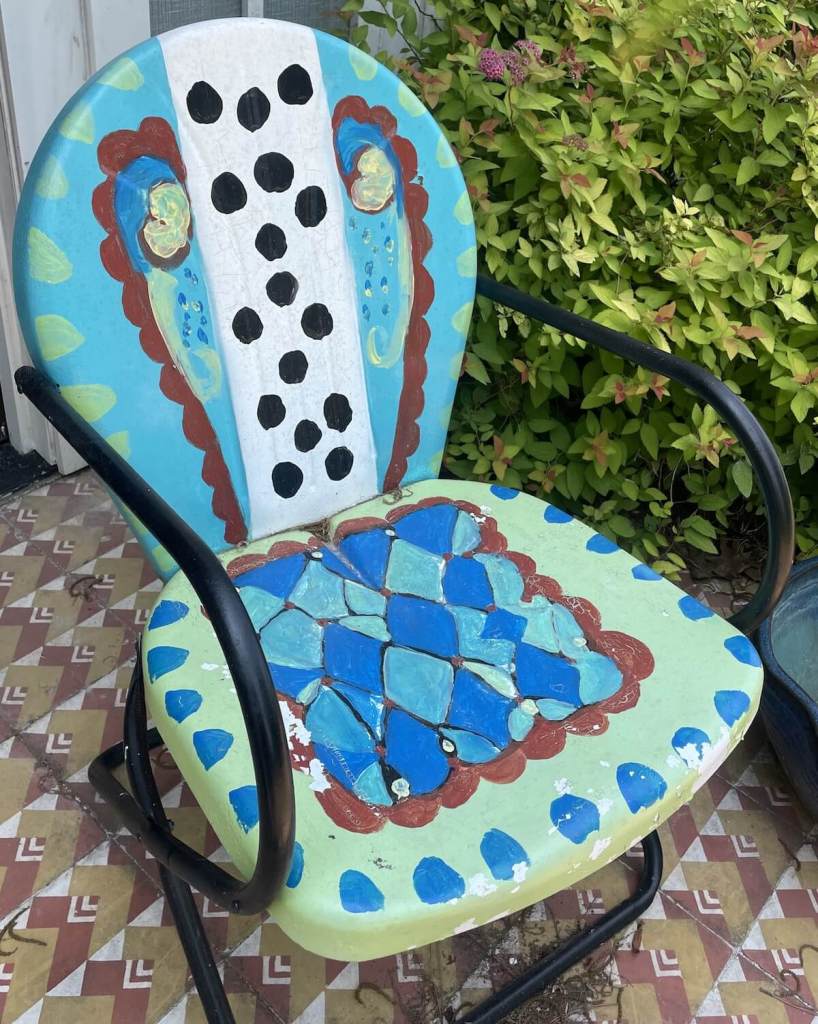
Weatherproof canvasPlastic bottlesMetal chair personalizedInexpensive plastic seatingMaking do with what’s on handAntique metal seatingAutomobile tires
Anyway, garden seating is too often added as a mere accessory, even going beyond comfort. As a friend once wrote, “Times change, people change, but, like the porch swing, there are some things that just need to be brought forward into the present. Both to recreate the peace they brought us in our younger days, and to share this peaceful pastime with those who never experienced it so they can grow some memories too.”
Classic Lutyens bench
For me, it ain’t a garden without a reasonably pleasant place for ruminating and reminiscing, hopefully, as country crooner John Anderson sang, “feeling love down to our toes, just a swangin’…”
Speaking of which, my own garden swing is hugely enhanced by having a long chain coupled with a pair of “swing springs” which reallly put the bounce in things… for more on this, click here.
Swing springs on Felder’s garden swingSwing spring for extra bounceCustom-built Rick Griffin swing
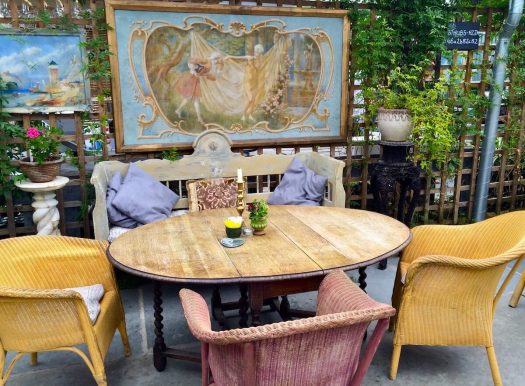
Here are a few examples of garden seats I have seen around the country and beyond, all which have one thing in common: Outdoor relaxation. Enjoy!
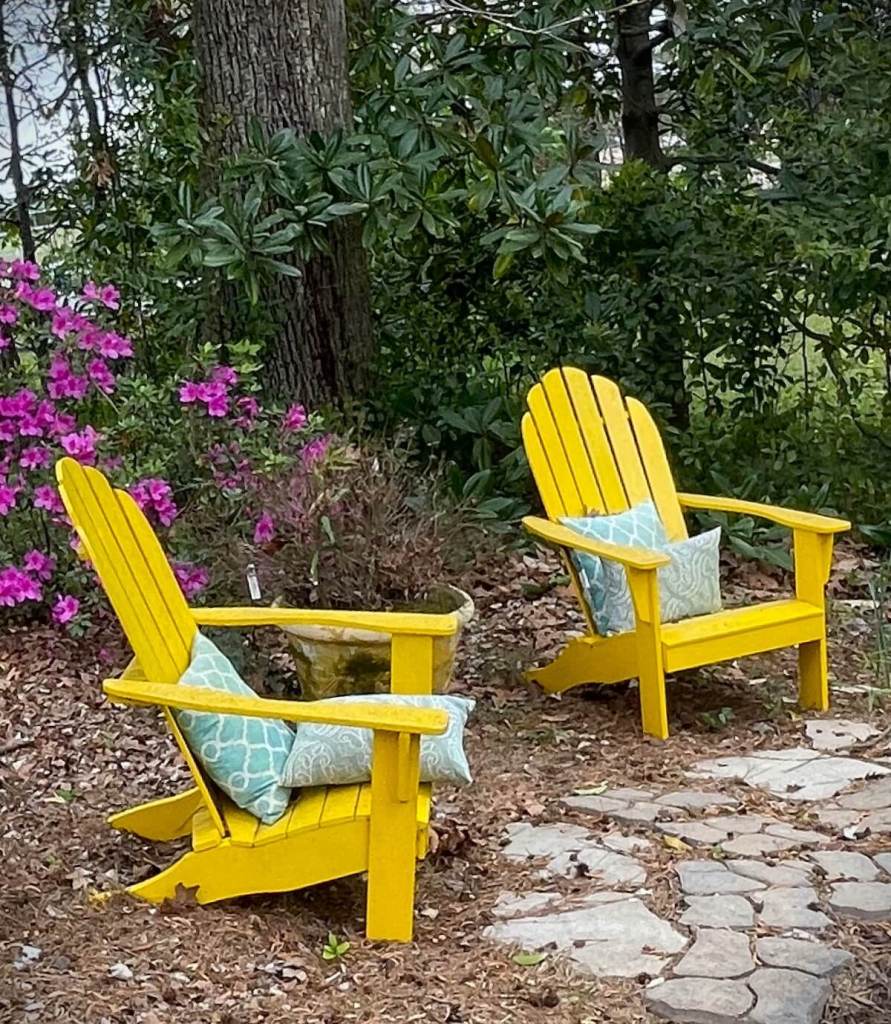
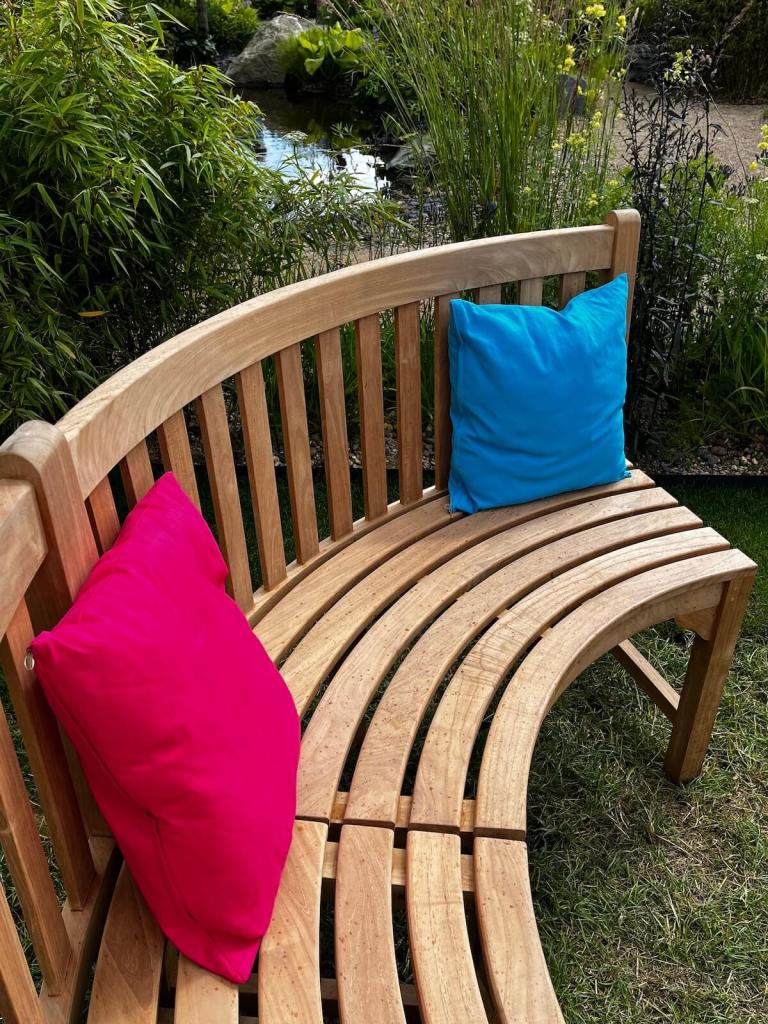
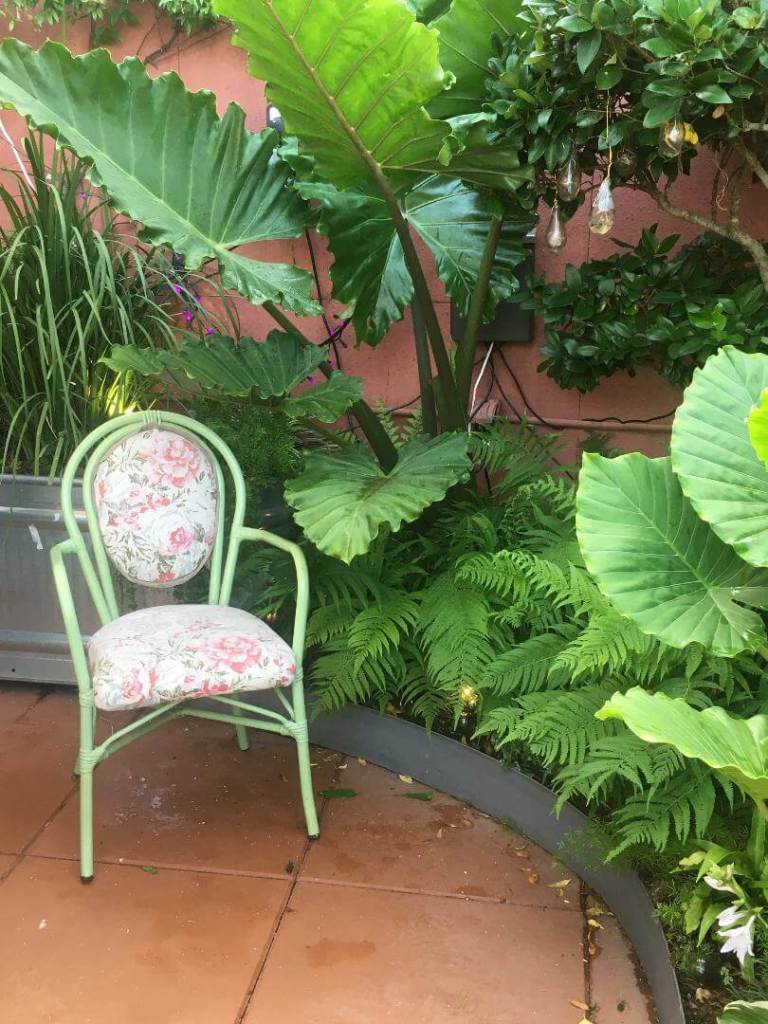
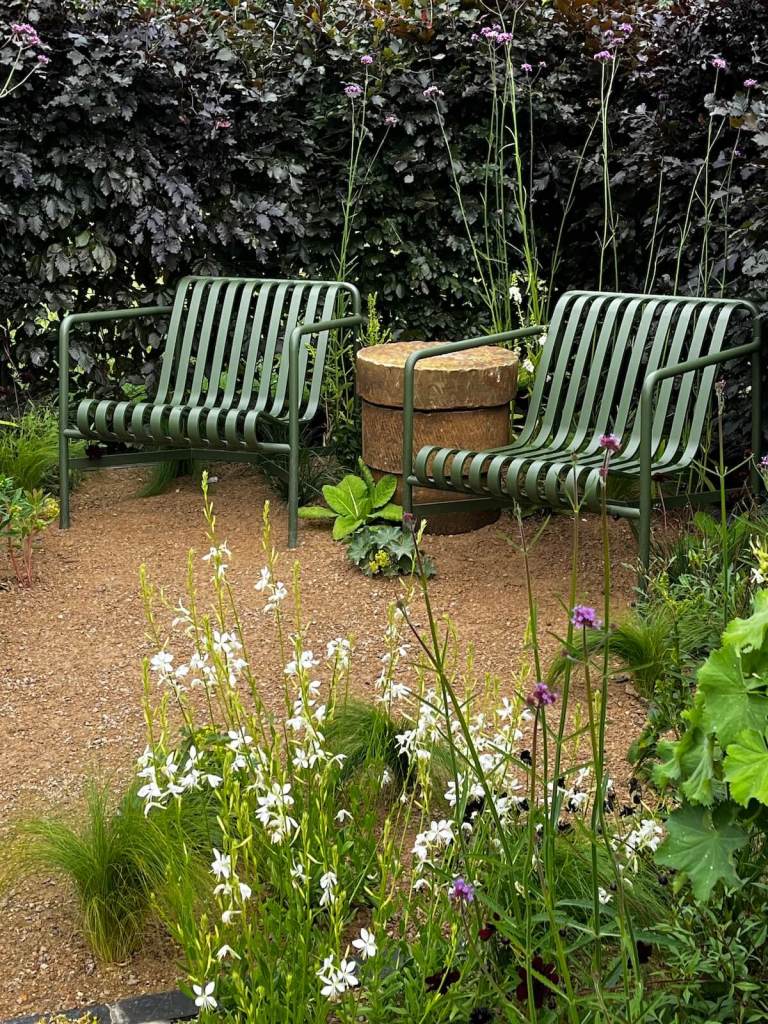
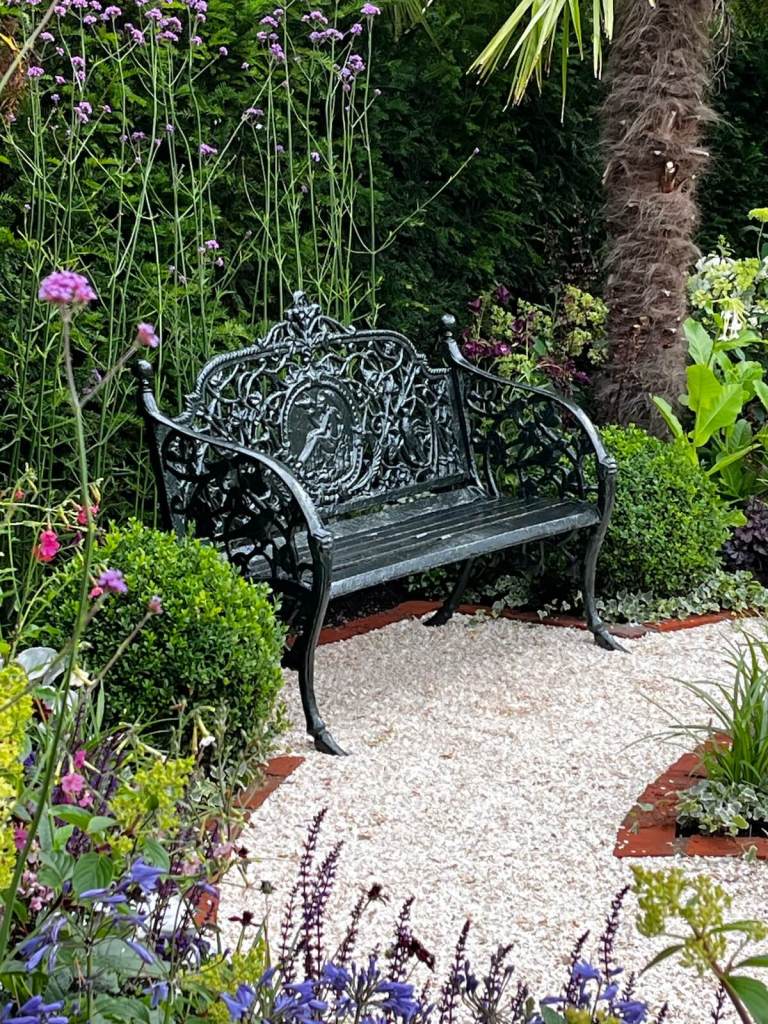
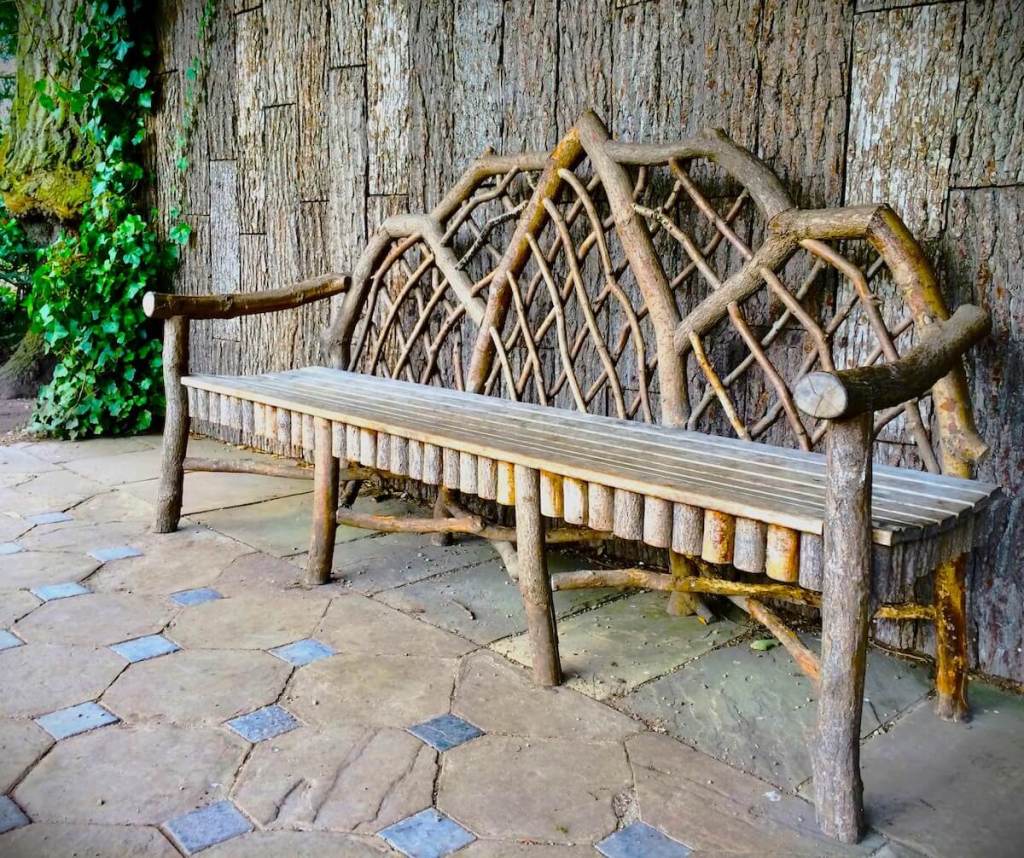
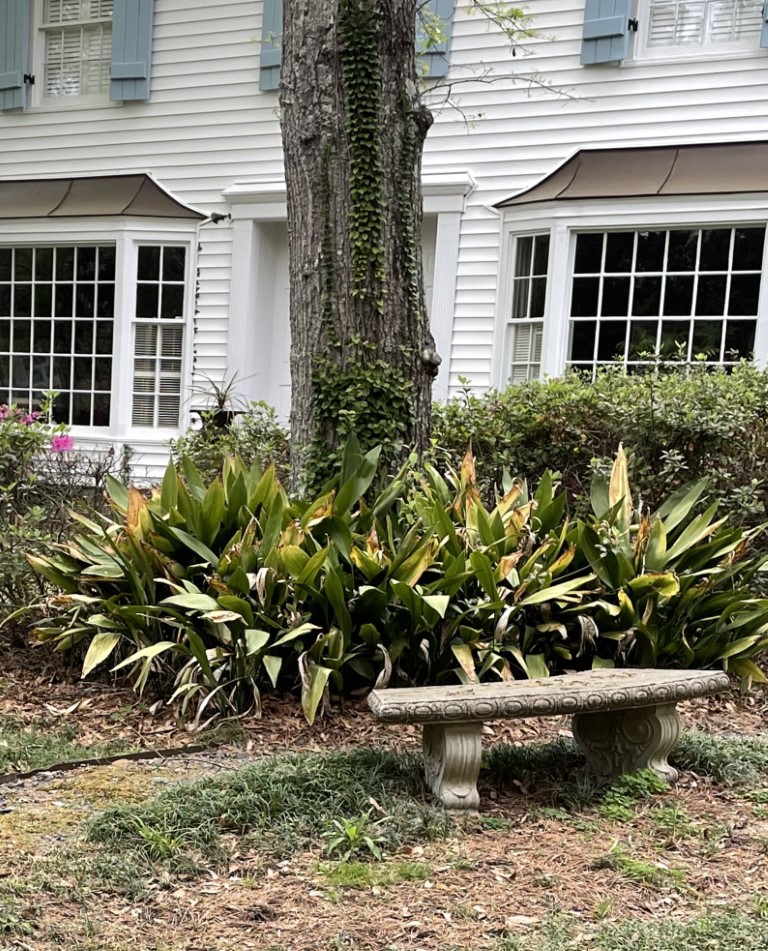
Untilitarian benchWelcome to my benchUnique seating made by local craftsmanUltra creative contemporarySynthetic grassMetal loungeMetal chair personalizedMemorial bench in English stumperyLog seat in woodland gardenKitchen garden arbor and benchMetal park benchMore than for just sittingSweet sceneSmall spot for respiteSleek wooden benchDainty chair with weather resistant cushionsRustic woodland seatingPressed metal from 40s-50sContemporary metal seatsClassic wrought iron benchArts and Crafts benchAntique metal folding chairAdirondack with foot restAdirondack chairsInexpensive quick benchWrought iron still holding upNewly repainted bench in garden of Nita Webb-TalmadgeThe salad bowl
Sorry about the poor quality of this photo, taken from an old print photo made before digital cameras, but here are my long-gone front deck chairs I got in Mexico, made from bicycle and motorcycle tires…
Surprise Encounter: When my kids were very young, longtime horticulture friend Bob Brzuszek took us out into a Mississippi bog to show us wild pitcher plants (Sarracenia), carnivorous plants which get their nutrients from dissolved insect prey trapped in tall, hollow, water-filled leaves.
Semi-digested contents
In a shocking real-life case of deus ex machina, as Bob sliced open one of the colorful funnels to reveal the partly-digested insects inside, a recently-ensnared honeybee flew out, released from the grisly death trap.
That came rushing back to me the other day when my sweetheart and her sister and I, looking for a rare colony of naturalized pitcher plants, were out “bog yomping” which is what locals around my summer home in northern England call hopping from tufts of grass to keep from getting muddy while traversing the remote moors.
Fens and Bog People
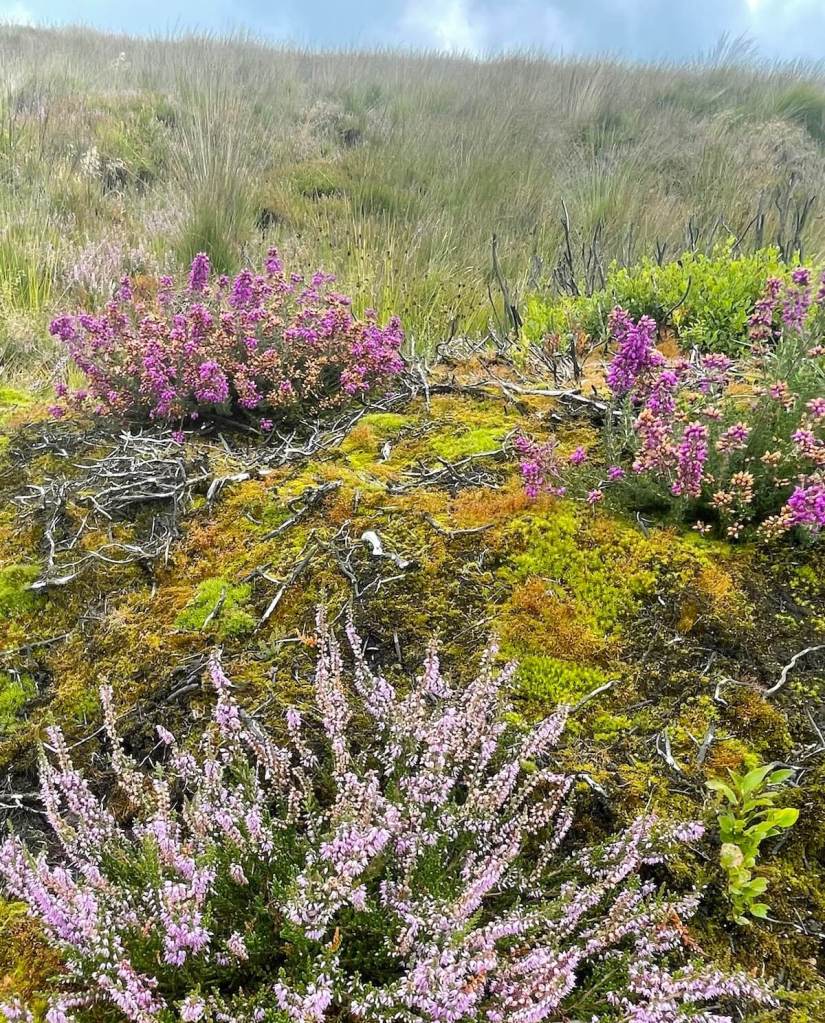
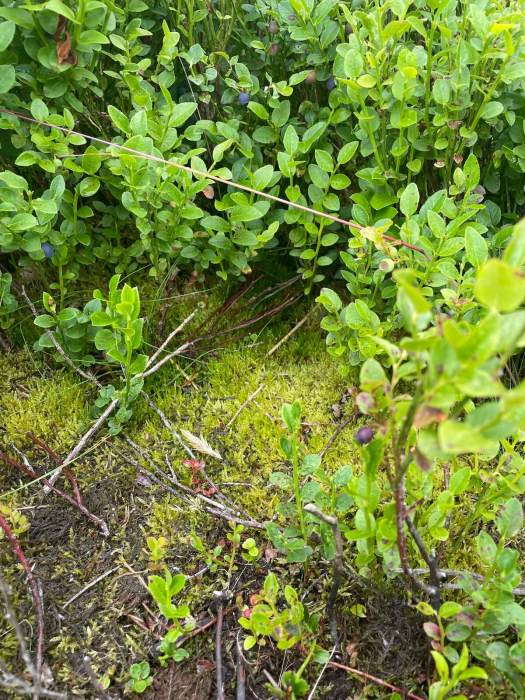
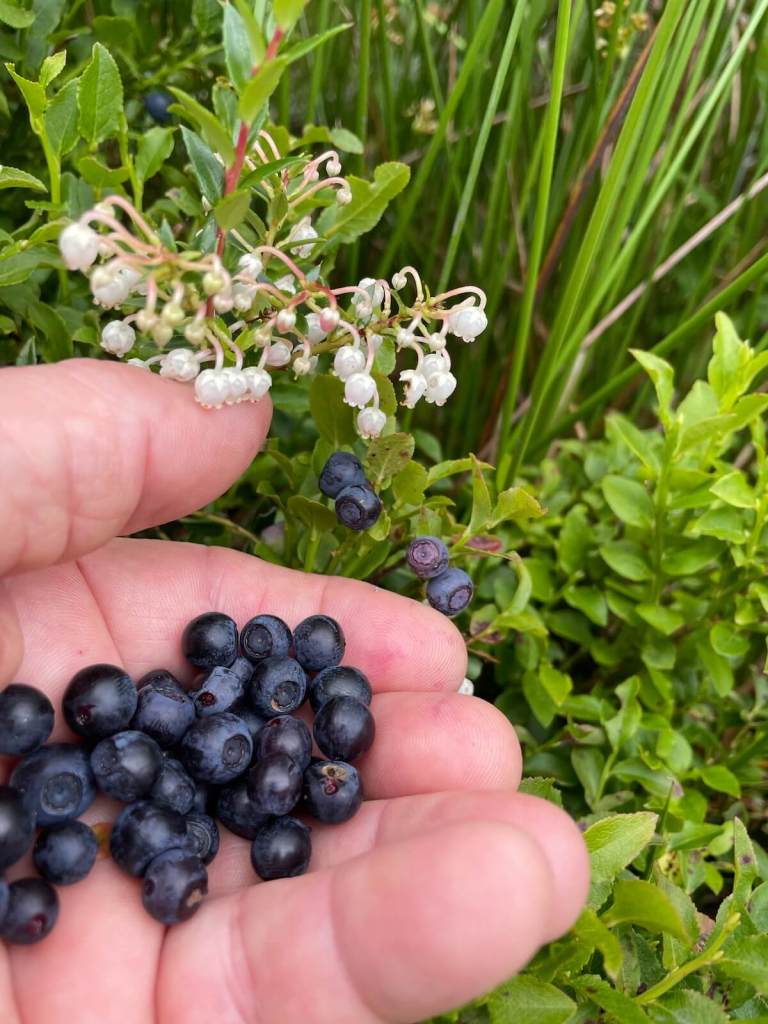
The misty moors of Lancashire are steep and windswept, nearly treeless except in the deep waterfall-fed ravines; the hillsides are covered with grasses and sedges, and rife with shallow pools gouged out by ancient glaciers, now matted with deep blankets of sphagnum moss, wildflowers, pink-and-purple heathers and thickets of sweet blue wimberries, tart blackberries, and succulent raspberries.
This is my fourth Floriade experience, attending the world’s largest horticultural exhibition, hosted in The Netherlands just once every ten years. This year’s show, as in the others in 2002 and 2012, featured stunning garden designs from dozens of countries around the world, exciting plants, unique accessories, garden art and other “hard” features, and the latest/futuristic horticultural innovations. With universal themes of sustainability and connections to nature, I took notes on dozens of ideas I can use in my own little cottage-style garden.
An exercise in Occam’s Razor (the K.I.S.S. approach)
Bottle trees, beyond their being folksy “make-do” garden ornaments, are a proud form of recycling. I’ve met hundreds of folks who openly confess they are “saving bottles” for a notional future state of nirvana they hope to reach when they’ll feel daring enough to actually put a bottle tree in their garden. Where used bottles belong.
Bottles yearning for the garden
In these weird times, bottle trees strike a chord for being a simple, refreshing, liberating aspect of life where there are no rules at all about getting it right or wrong. Unlike same old, same old pink flamingoes, no two bottle trees look exactly alike, not even those made of standard welded frames bedecked with your personal choice and placement of bottles. So, without a standard to go by, you actually can’t mess up.
Glass “bottle trees” have been around for centuries, first as icons of superstitious beliefs based on a three-thousand year old Arabian folk tale, and now increasingly as eccentric but popular home-made glass garden ornaments. I know these folksy sculptures aren’t every one’s cup of tea, but there are thousands of them scattered across gardens of a surprising assortment of people; I’ve photographed them in modest home gardens to upscale botanical gardens and art museums, rarely with any two being exactly alike – the only things the widely diverse gardeners who create or display them have in common are glass bottles held up where the sunshine can radiate through them.
Some wet blankets sniff that these folksy paeans to stained glass are forgettable sights, which to me means they just don’t get it, and that’s okay – I mean, not everyone hangs glittery stuff from holes in their ears, either, right?
Though Eudora Welty photographed a bottle tree in the 1930s, the first authentic glass bottle tree I can recall was beside a tenant shack on a dusty road dead center in the Mississippi Delta. I was maybe fifteen, yet to this day the inexplicable spectacle haunts my sense of the absurd.
Can’t get away from Mississippi ditchbank weeds – even in England (where they seem to be better appreciated)!
All Mississippi natives in English garden – plus a rustic fence to make it work!
But truth is, just as we yearn for stuff from afar, Southeastern U.S. native flowers are wildly popular in most upscale English gardens – used “as if they are normal plants” – with the best being those accessorized with natural or rustic elements.




















































 Felder Rushing's Blog